 Maradok

Kereskedési feltételek
Products
Eszkozok


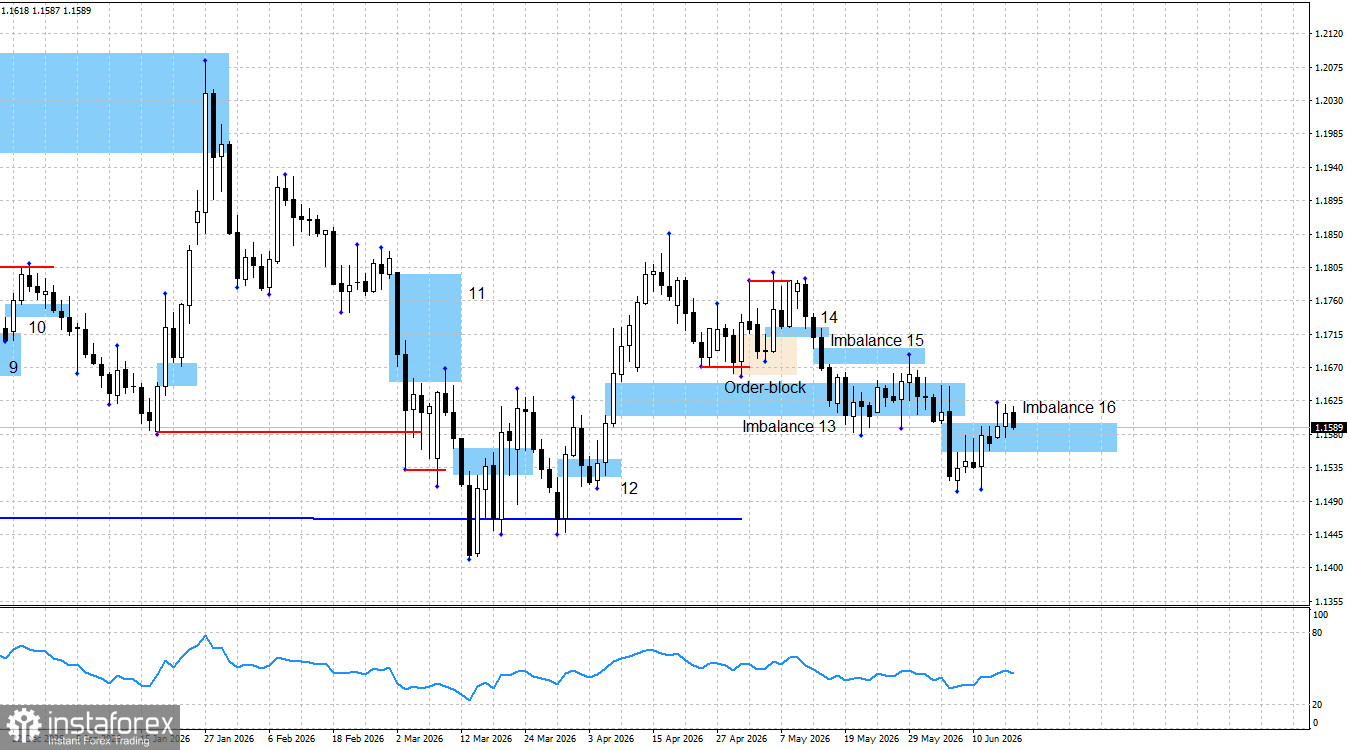
The EUR/USD pair began a new upward move last Thursday when Donald Trump unexpectedly softened his stance and announced that an agreement had been reached with Iran. Since then, however, the US president has repeatedly threatened Iran with new strikes should it refuse to sign a nuclear agreement or if developments fail to meet US expectations.
This has created a rather unusual situation. Peace has effectively been achieved, the issue of the Strait of Hormuz appears to have been partially resolved, and the parties may soon move on to addressing Iran's nuclear program. At the same time, there is a persistent sense that this positive scenario could unravel at any moment.
Limited shipping traffic has resumed through the Strait of Hormuz, although volumes remain well below pre-conflict levels. Iran and the United States have refrained from launching missiles for an entire week, yet it often feels as though all sides remain ready to resume hostilities at short notice. In my view, these contradictions and uncertainties are the main reason why the market is not rushing to sell the US dollar, despite the fact that the conflict has effectively been suspended.
This evening, the FOMC meeting will conclude, and traders are eagerly awaiting remarks from the new Federal Reserve Chair, Kevin Warsh. The pair's movements tonight and during the Asian session tomorrow will largely depend on his comments. The technical picture is becoming increasingly unclear due to low market participation and the absence of new trading patterns. The market has effectively stalled, with price action remaining subdued.
In the near term, market sentiment and the pair's direction will continue to depend primarily on geopolitical developments. If Tehran and Washington sign the memorandum of understanding, extend the ceasefire, lift restrictions affecting the Strait of Hormuz, and begin negotiations on the nuclear issue, bears will likely be forced to continue retreating, while the euro and the pound may extend their gains.
However, traders remain cautious and are waiting for the formal ratification of the agreement, which is expected to take place in Switzerland on Friday. In addition, Christine Lagarde made it clear this week that inflation in the euro area remains above acceptable levels and that a single round of monetary tightening may not be sufficient to curb consumer price growth. The European Central Bank may also raise interest rates again in July. As a result, bulls continue to have a substantial number of supportive factors.
At present, there are no active trading patterns. If Imbalance 16 is invalidated, it will signal that the bearish impulse has been broken. In that case, traders should expect the formation of bullish patterns and trade accordingly. A new bullish imbalance may form this week, potentially providing buying opportunities.
Once again, it should be emphasized that the entire rise of the US dollar between January and March was driven primarily by geopolitical developments. As soon as the United States and Iran agreed to a ceasefire, bears immediately retreated, and bulls dominated trading activity for more than a month.
At present, the probability of a formal agreement remains relatively high, but the market remains skeptical of reports suggesting that the conflict and negotiations between Iran and the United States are nearing a successful conclusion. The euro continues to rise, but the pace of appreciation remains moderate.
As has often been the case recently, Wednesday's economic data attracted little market attention. The euro area published the final May inflation reading, while the United States released retail sales data. However, trading activity remained so subdued throughout the day that it is difficult to identify any meaningful market reaction to these reports. The FOMC meeting later today may provide at least some direction to market participants.
Bulls continue to have numerous reasons to remain active in 2026, and the outbreak of conflict in the Middle East has done little to reduce their advantages. Structurally and fundamentally, the policies pursued by Donald Trump, which contributed to the significant decline of the US dollar last year, have not changed.
Over the coming months, the US dollar may periodically strengthen as investors seek safe-haven assets, but such support would require ongoing geopolitical escalation in the Middle East. I still do not believe that a sustained bearish trend in EUR/USD has been established. The dollar has received temporary support from geopolitical developments, but it remains unclear what factors could provide long-term support for the US currency.
News Calendar for the United States and the Euro Area:
The June 18 economic calendar contains only two events, neither of which can be considered particularly important. Therefore, economic data is unlikely to have a significant impact on market sentiment on Thursday.
EUR/USD Forecast and Trading Tips:
In my view, the pair remains in the process of forming a bullish trend. Although the fundamental backdrop shifted sharply in favor of the US dollar three months ago, the broader uptrend cannot yet be considered invalidated or completed.
Therefore, bulls may resume their advance in the near future if geopolitical developments continue to provide support.
For now, traders should wait for new trading patterns to emerge, preferably bullish ones. I expect such a pattern to form this week. It is also crucial that the agreement between Iran and the United States does not collapse, as failure to finalize the deal could allow bears to regain control, prematurely disrupting the developing bullish structure, much like the bearish structure that failed last week.
InstaForex analytical reviews will make you fully aware of market trends! Being an InstaForex client, you are provided with a large number of free services for efficient trading.


