 Maradok

Kereskedési feltételek
Products
Eszkozok


Want to weaken your opponent? Start with yourself. This is how the plan by US Treasury Secretary Scott Bessent looks, who announced that the Treasury will "at least double" the buyback of long-term bonds. The reaction was immediate: the US dollar fell to its lowest point since May.
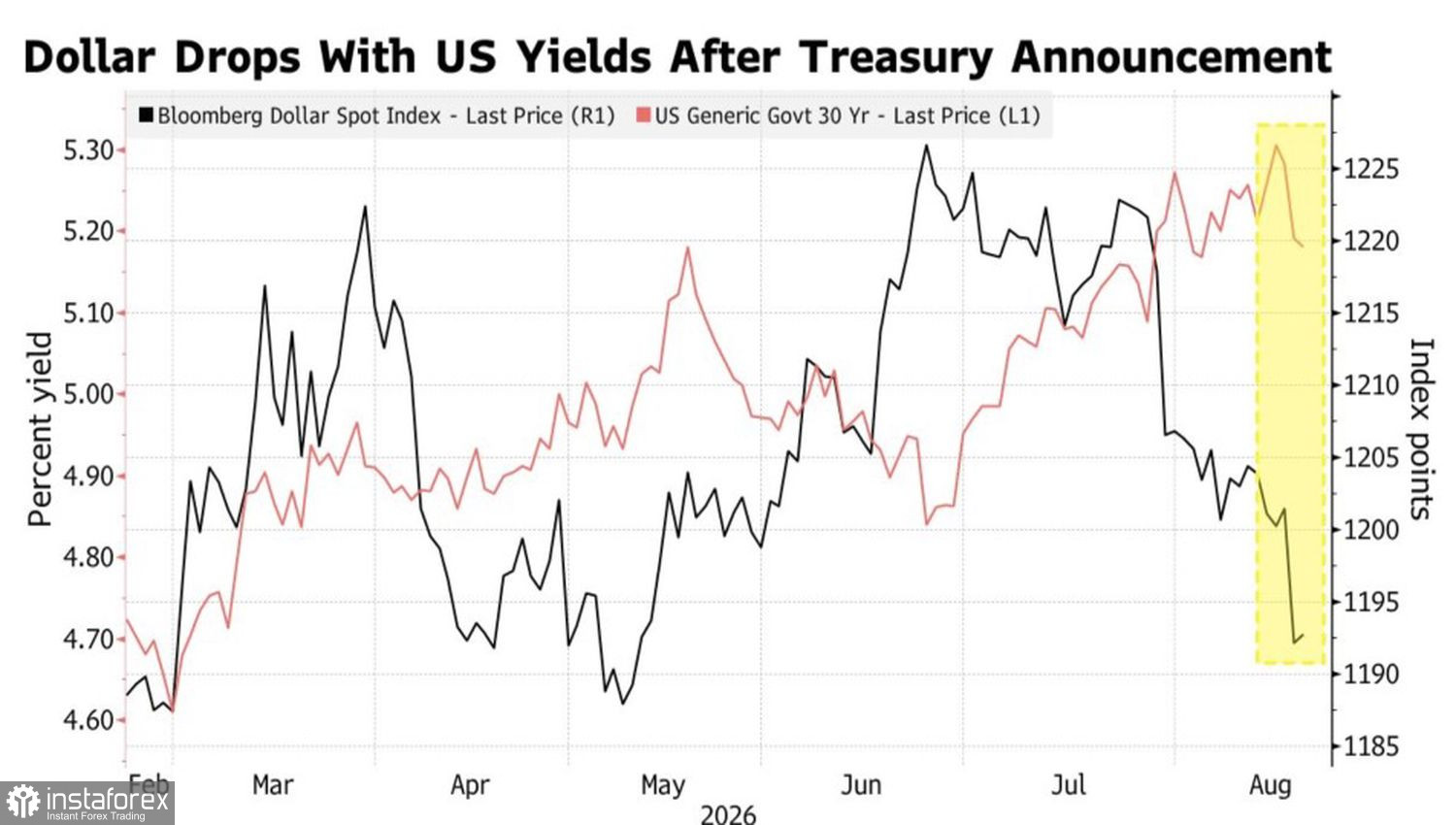
The dollar did not resist its own weakening. The greenback almost seemed to offer its shoulder to the blow, allowing 30-year bond yields to cool after rising to levels not seen since 2007. Furthermore, Donald Trump has repeatedly signaled that a weak currency is not a problem, but a tool for competitiveness. According to Evercore ISI, Bessent genuinely welcomes this move, as it reduces the trade imbalance and makes life easier for exporters.
However, behind this noble facade lies a cynical calculation. Citigroup believes that the main price of trying to control yields is a weaker dollar. In fact, Washington is choosing between a debt crisis and a currency crisis, and the choice has already been made against the greenback. One soldier alone is not a warrior, and the dollar seems ready to sacrifice part of its strength to avoid a more destructive scenario in the Treasury market.
However, it's too early to write off the greenback. State Street reminds us that the inflow of capital into US stocks driven by artificial intelligence and rising oil prices continues to provide solid support for the USD index. The interest rate differential between the Federal Reserve and the European Central Bank also remains on the dollar's side — expectations for a rate hike in December have not vanished, despite the uncertain minutes from the latest FOMC meeting.
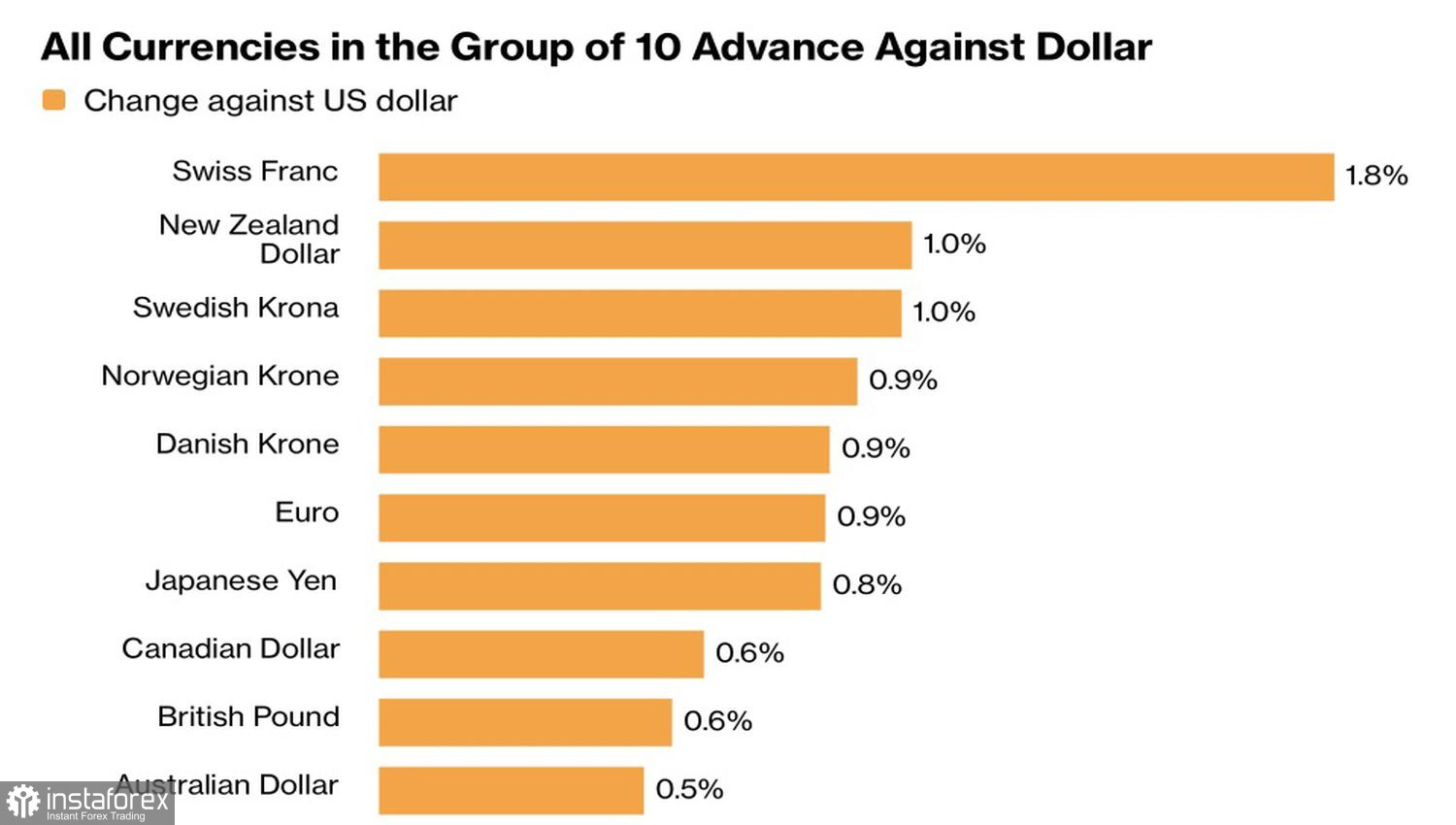
Meanwhile, dedollarization is no longer a conspiracy theory but a working hypothesis at Deutsche Bank, which advises clients to consider gold, the franc, and the euro as alternatives to the greenback in the coming months. Asian and European currencies are gaining room for maneuver precisely because Washington has loosened its own hands for interventions in both the debt and currency markets — first jointly with Japan to support the yen, and now within its own government bond market.
Thus, the US dollar has put itself in harm's way — not under someone else's blow, but under its own calculation. These are different things. The EUR/USD pair is rising on market emotions, not on the health of the European economy, which is still far from confident expansion.
Can Washington control the consequences of its own experiment, or has the US dollar already paid a price it did not expect to pay?
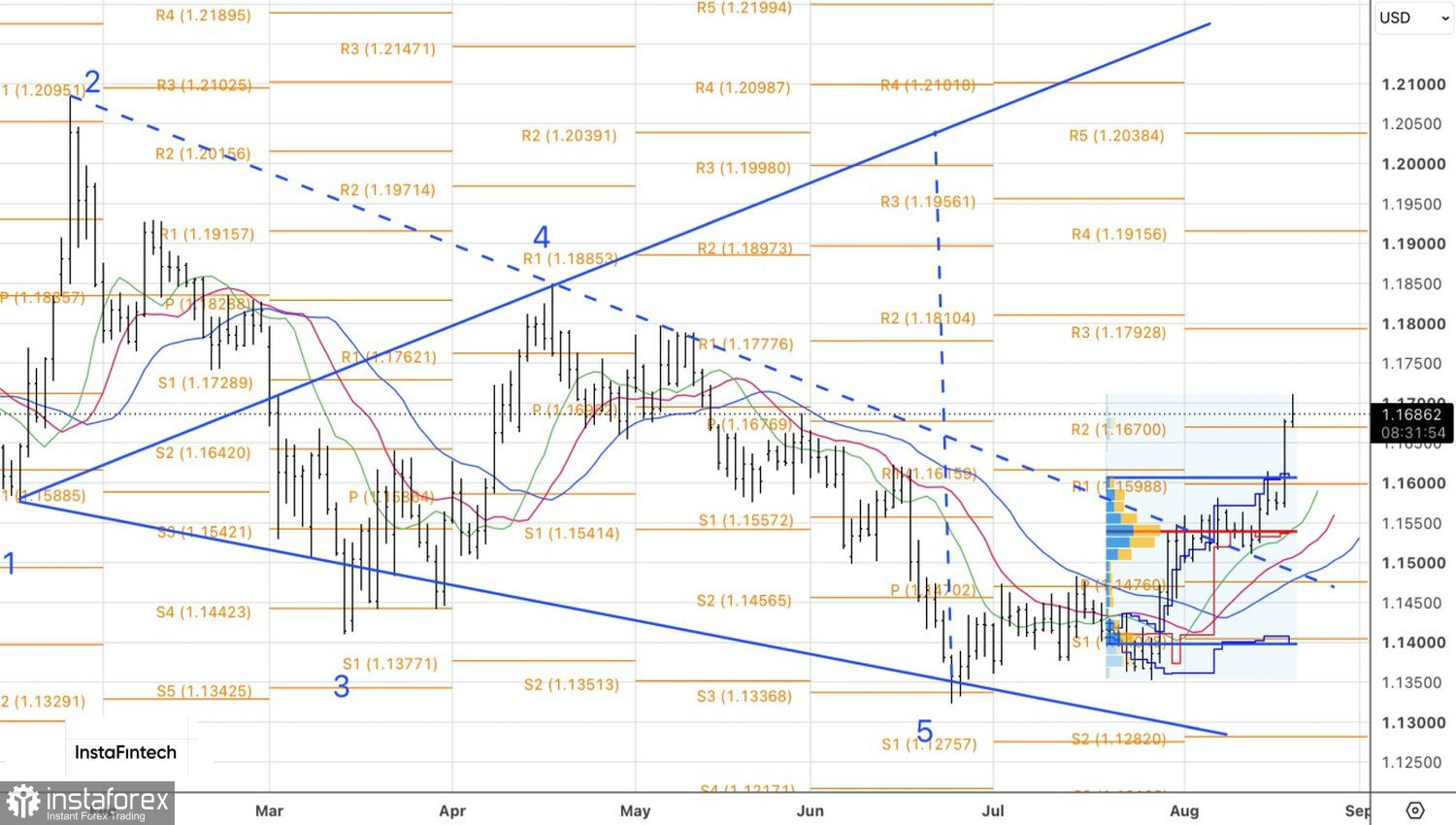
Technically, on the daily chart, the EUR/USD is forming a 20-80 pattern. Despite the mid-term "bullish" trend within the Wolf Waves, a drop below the support level of 1.167 warrants short-term sales. If that doesn't happen, one should hold onto previously formed long positions.
InstaForex analytical reviews will make you fully aware of market trends! Being an InstaForex client, you are provided with a large number of free services for efficient trading.


