 Permanecer

Condições de Negociações
Ferramentas


The rise in US Treasury yields, fueled by the Fed's reluctance to cut interest rates, combined with escalating geopolitical tensions in the Middle East, has forced USD/JPY bears to step back. The yen is struggling to act as a safe-haven currency when oil prices are climbing. As a net importer of oil, Japan is negatively impacted by the surge in Brent and WTI, which weighs heavily on its economy.
For USD/JPY bulls, the long pauses in monetary policy cycles play in their favor. The January FOMC meeting minutes suggest that the Fed is in no hurry to cut interest rates, needing evidence of a further decline in inflation. The regulator believes the risks of a cooling US labor market have diminished.
Japan's core inflation dynamics
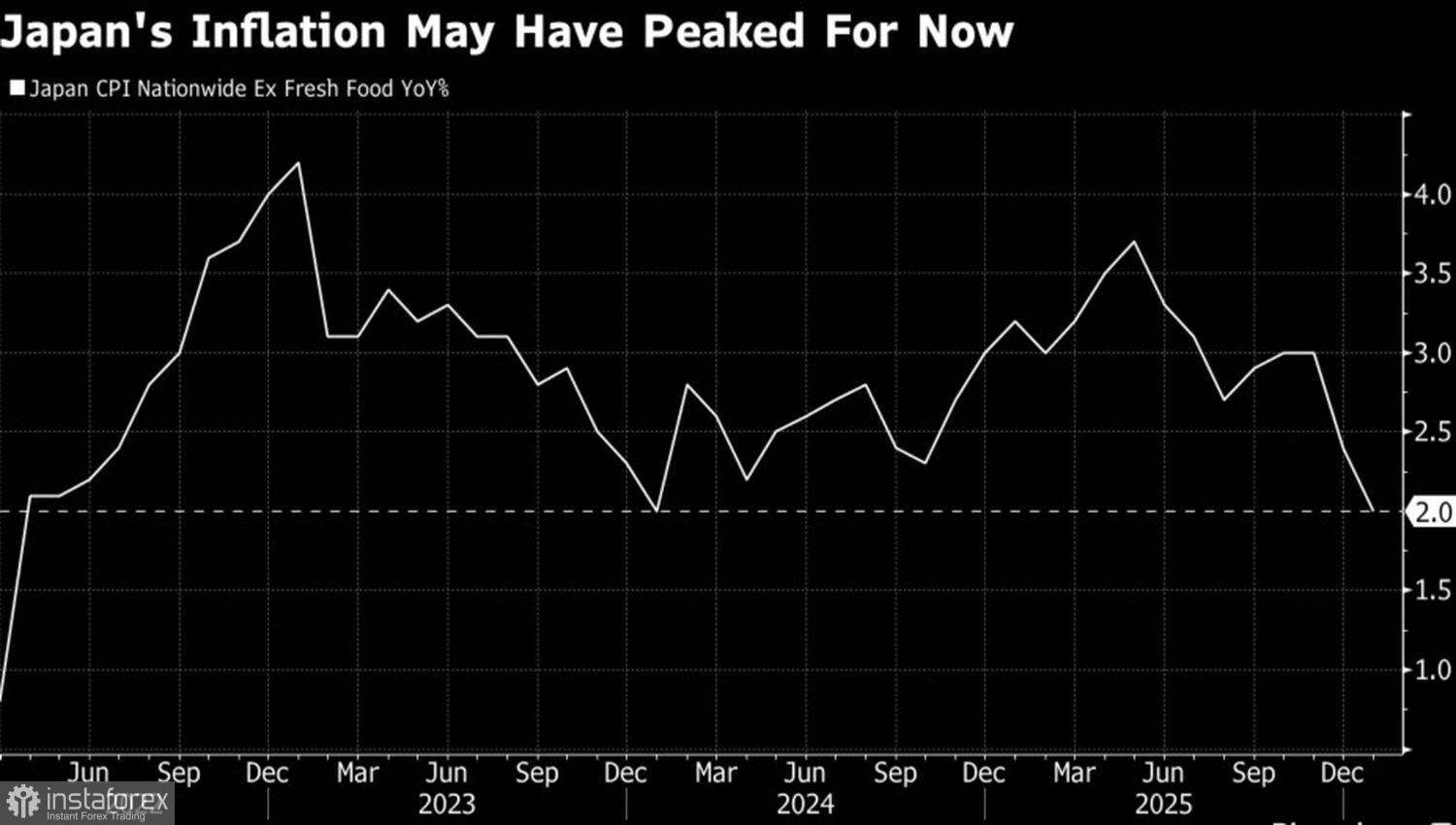
The Bank of Japan is also in no rush to raise rates, particularly after consumer prices dropped to 1.5% in January, marking the lowest level since March 2022, while core inflation fell to a two-year low of 2%. With a disinflationary trend in place, there is little reason for tightening monetary policy.
As long as borrowing costs in the US and Japan remain at current levels through at least June, the broad 300 bps interest rate spread will likely encourage the yen to be used as a funding currency in carry trades. The dollar, as the higher-yielding currency, will attract capital inflows, pushing USD/JPY higher.
Especially if Japan cannot rely on capital repatriation as a supportive factor. Prime Minister Sanae Takaichi's conciliatory rhetoric towards markets has made them believe in political stability. She has promised not to pursue reckless policies and that the government will ensure debt growth aligns with GDP growth, thereby guaranteeing financial stability.
However, investors are aware that the Liberal Democratic Party is treading on thin ice. To drive economic growth, large-scale fiscal stimulus will be needed. Confidence in this stimulus is helping Japanese business activity grow steadily.
Japan's PMI dynamics
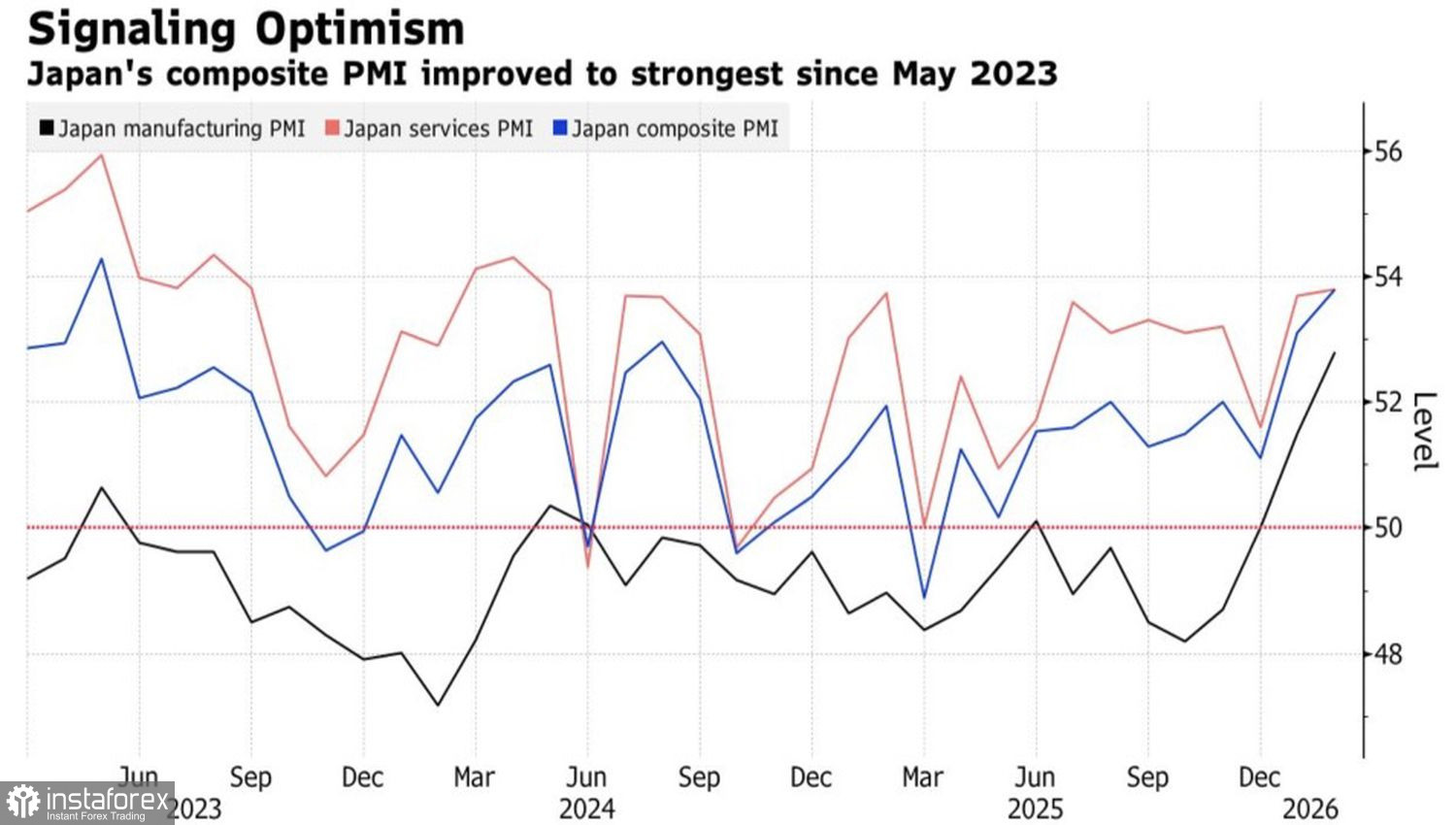
The manufacturing PMI has surged to a four-year high, while the services PMI has reached a 22-month peak. Companies are highly hopeful for large-scale stimulus measures, but they worry that Takaichi may disappoint them.
Markets are uncertain about which path to trust — Takaichi's disciplined fiscal policy or her potential for largesse. In the latter case, the "Takaichi trade" could emerge, leading to a weaker yen against major currencies. Investors are waiting for clues in her upcoming speech before parliament.
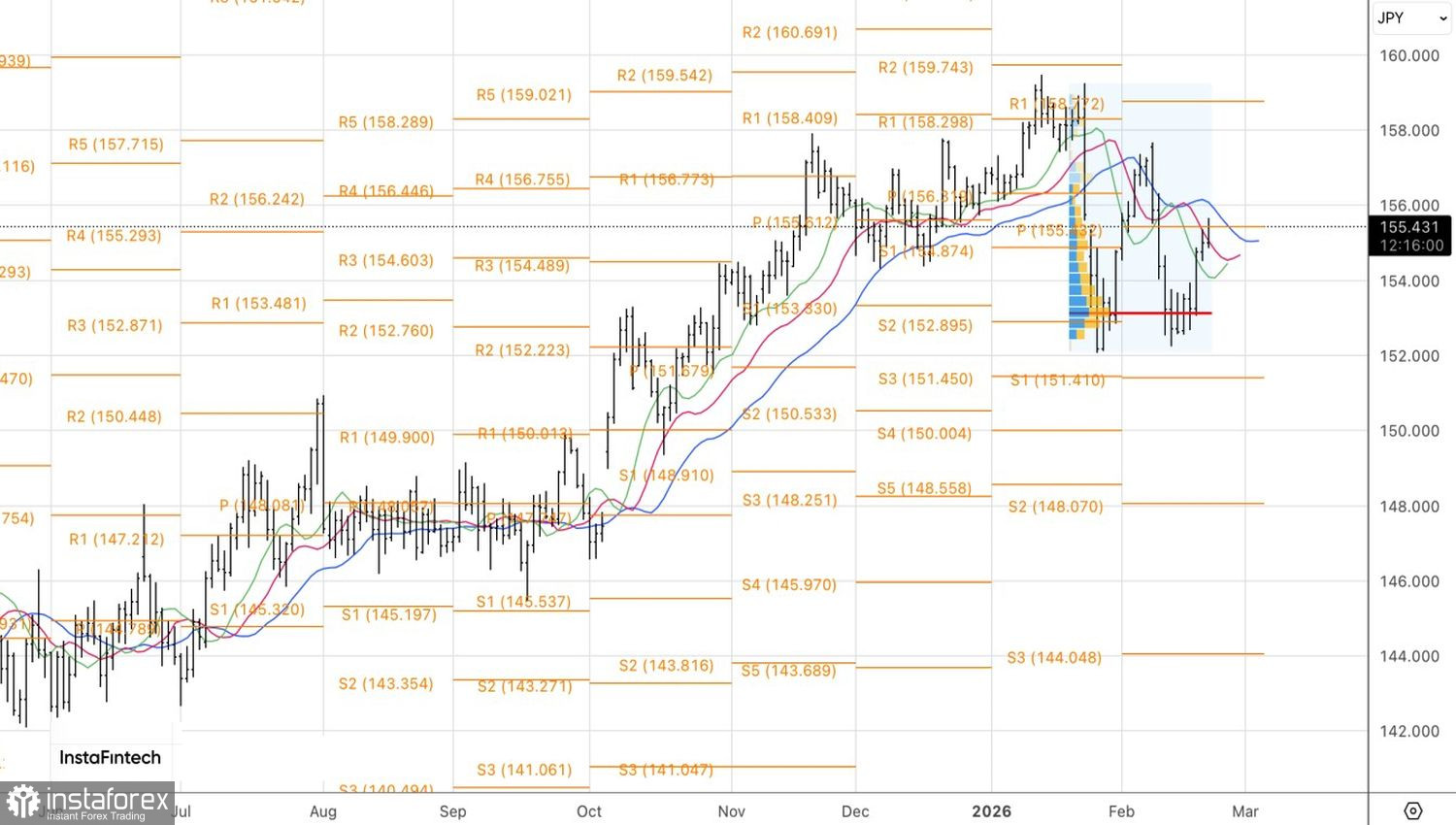
Technically, a Double Bottom pattern has formed on the daily USD/JPY chart, suggesting the correction may have come to an end. A breakout above the resistance level of 155.45 would signal an opportunity to go long. Conversely, a pullback from this level would provide a solid basis for selling the US dollar against the Japanese yen.
InstaForex analytical reviews will make you fully aware of market trends! Being an InstaForex client, you are provided with a large number of free services for efficient trading.


