 Permanecer

Condiciones de negociación
Products
Herramientas



On Monday, gold fell below the psychological $4,700 level, losing around 0.85% during the day amid a modest strengthening of the U.S. dollar. The main factor supporting the American currency remains ongoing geopolitical tensions, which enhance its appeal as the world's primary reserve asset. Additional pressure on gold comes from expectations of tighter monetary policy by the U.S. Federal Reserve, encouraging capital flows away from non-yielding assets.
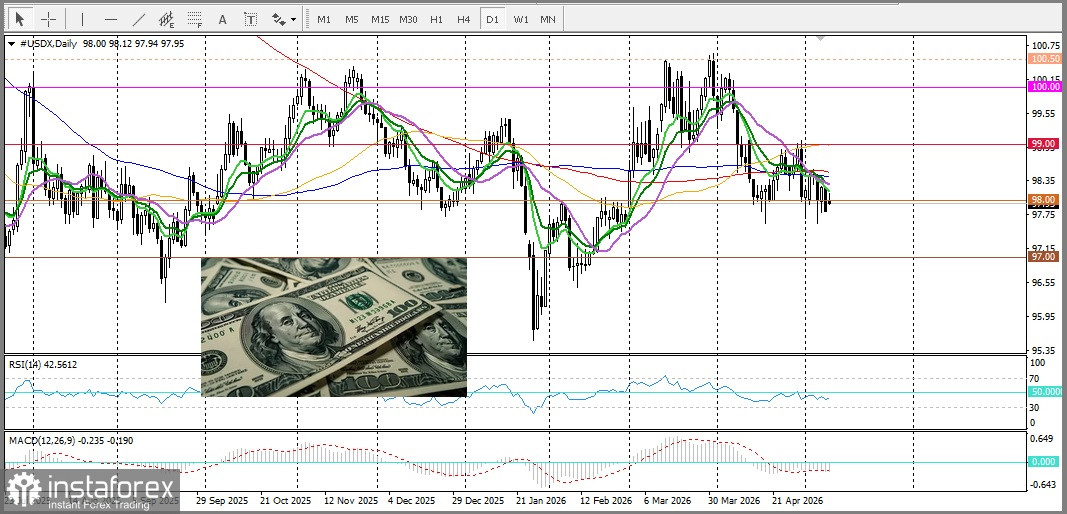
Optimism surrounding a potential peace settlement between the U.S. and Iran and easing tensions quickly faded after renewed military activity in the Strait of Hormuz. The situation deteriorated further after U.S. President Donald Trump and Iranian officials rejected each other's proposals to end the conflict and restore shipping traffic, citing major disagreements over Iran's nuclear program. According to The Wall Street Journal, Tehran refused to comply with Washington's demands to dismantle its nuclear infrastructure and suspend uranium enrichment for 20 years. In response, Trump described Iran's position as "completely unacceptable." As a result, geopolitical risks have once again moved to the forefront and intensified at the start of the week, putting pressure on the gold market.
At the same time, recent developments triggered another rise in oil prices and increased inflation expectations. This factor, combined with strong U.S. labor market data released on Friday, strengthens the case for a more aggressive Fed stance in the future. According to the Nonfarm Payrolls (NFP) report, the U.S. economy added 115,000 jobs in April, exceeding analysts' forecasts, while the unemployment rate remained unchanged at 4.3%. In addition, CME Group's FedWatch Tool indicates that market participants estimate the probability of at least a 25-basis-point interest rate hike before the end of the year at slightly above 20%. These expectations support the dollar and add pressure on gold.
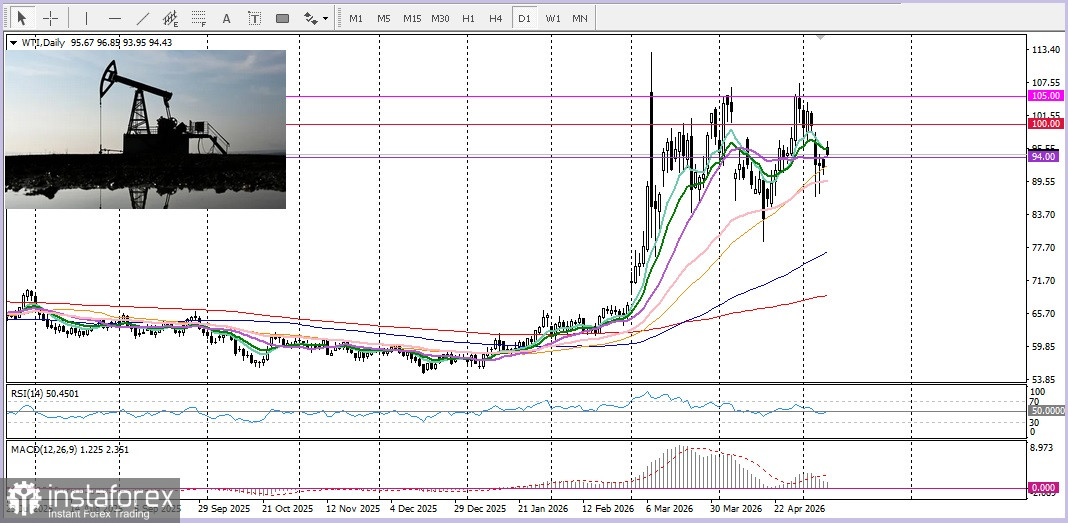
At the same time, market participants are reluctant to take aggressive positions, preferring to wait for the release of key U.S. inflation data — the Consumer Price Index (CPI) and Producer Price Index (PPI), scheduled for Tuesday and Wednesday. Retail sales data and speeches from FOMC officials will also be closely watched, as they may determine the future direction of the dollar and influence gold price dynamics.
However, the lack of active selling requires a cautious approach and does not yet allow for confident conclusions about the end of the recovery from the psychological $4,500 level (the lowest level of the past month reached last week).
From a technical perspective, gold maintains a neutral tone after several failed attempts to consolidate above the psychological $4,500 level and the 20-day SMA. At the same time, a break below this level has not yet gained momentum. The Relative Strength Index (RSI) is gradually moving below the 50 level, signaling growing bearish sentiment in the market, while the MACD indicator remains in negative territory below the zero line, indicating insufficient strength in the bullish momentum.
The nearest resistance level is the psychological $4,700 level. Further significant barriers are located around $4,750 and the convergence of the 100-day and 50-day SMAs near the psychological $4,800 level. In the event of a decline from current prices, the next support level would be the psychological $4,600 level.
¡Los informes analíticos de InstaForex lo mantendrá bien informado de las tendencias del mercado! Al ser un cliente de InstaForex, se le proporciona una gran cantidad de servicios gratuitos para una operación eficiente.


