 Rimani

Condizioni di trading
Strumenti


The conflict in the Middle East is currently closer to the end than to the beginning. This circumstance contributes to the decline in Brent. May has been the worst month for the North Sea grade since March 2020. The reduction in the geopolitical risk premium amid rumors of a forthcoming agreement between the US and Iran is putting significant pressure on Brent. However, Goldman Sachs sees two-sided risks.
The bulls for Brent still hold on to hope. The longer Washington and Tehran negotiate, the less time remains before global crude oil inventories fall to critically low levels. This should lead to a price increase. The parties are in a phase of exchanging proposals about the details of the upcoming deal. There is a risk that one side might be dissatisfied, and the negotiations could be derailed. Finally, despite the ceasefire, clashes between the adversaries continue.
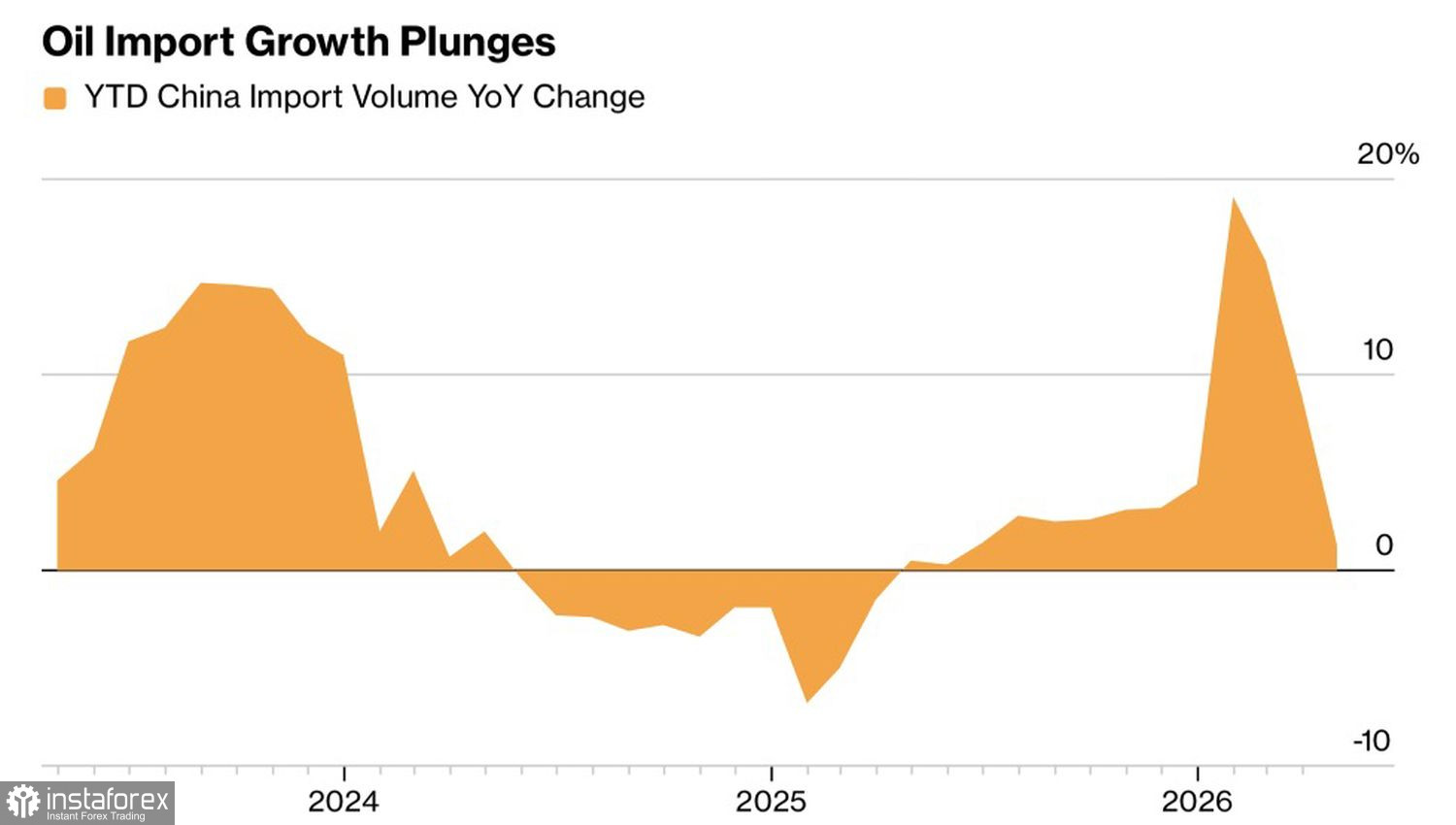
Goldman Sachs does not rule out that supply issues will continue to worsen, leading to a rise in Brent prices. However, another scenario is possible: a reduction in demand, which would, on the contrary, lower prices. The best remedy for high prices is high prices themselves, leading to reduced consumption. This process is especially rapid in China, which has significantly reduced its imports of black gold.
Before the conflict in the Middle East, China, with its insatiable demand for oil, acted as a buffer against rising prices. However, the moment has come when China's focus on electric vehicles has made it unnecessary to require as much black gold as before, especially at these prices. Oil refineries have significantly reduced purchases and production, as they previously operated at volumes far exceeding consumer demand.
As a result, thanks to the sharp reduction in Chinese imports and a substantial increase in American exports, the Brent rally has been contained. If China does not return to its previous volumes of procurement, oil risks falling below pre-war levels. A necessary condition for this would be the resolution of the conflict in the Middle East.
The question is, how quickly? Goldman Sachs makes a cautious forecast of an average price for the North Sea grade of $90 per barrel in 2026, noting two-sided risks.
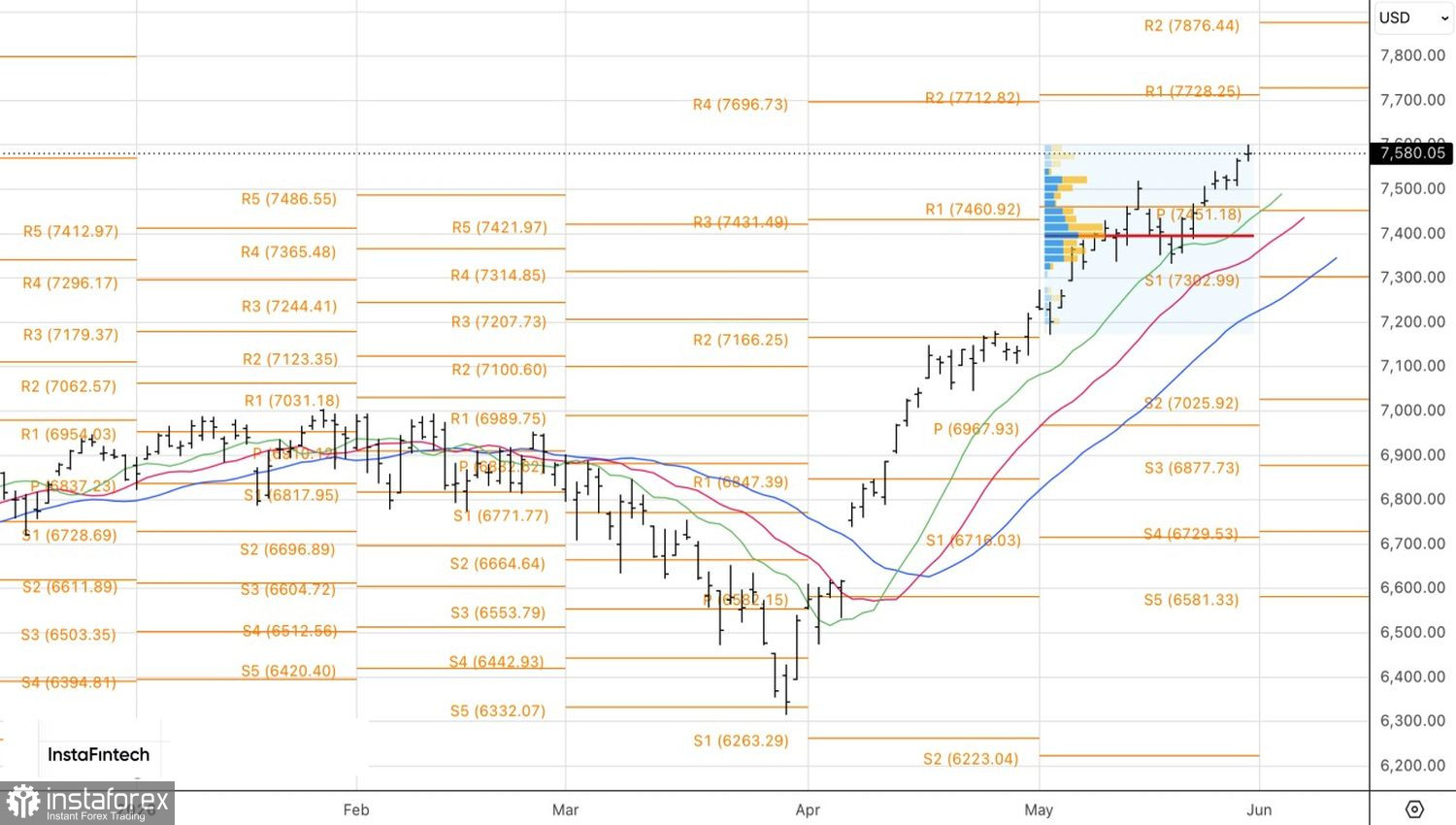
Thus, oil could rise if the US and Iran cannot break the deadlock and global inventories fall to critical levels. Conversely, black gold could decline if global demand contracts due to excessively high prices and a reduction in China's need for crude oil.
Technically, on the daily chart, Brent shows the bulls attempting to respond to a doji bar and launch a counterattack. However, the market sentiment remains bearish. This provides grounds to sell the North Sea grade on the rise, with a subsequent rebound from resistance at $99 per barrel, or to decline to support at $92.9 with a subsequent successful test.
Le recensioni analitiche di InstaForex ti renderanno pienamente consapevole delle tendenze del mercato! Essendo un cliente InstaForex, ti viene fornito un gran numero di servizi gratuiti per il trading efficiente.


