 Permanecer

Condiciones de negociación
Products
Herramientas


Data show that consumer lending in the US unexpectedly fell for the first time since 2024, a notable surprise for the market that sent the dollar lower. According to Federal Reserve data released on Wednesday, total outstanding consumer credit decreased by about $182 million in May after substantial increases in the previous two months. That was sharply at odds with forecasts: the median estimate in a Reuters/consensus survey had expected an increase of $17.5 billion, so the actual result was a miss of colossal proportions.
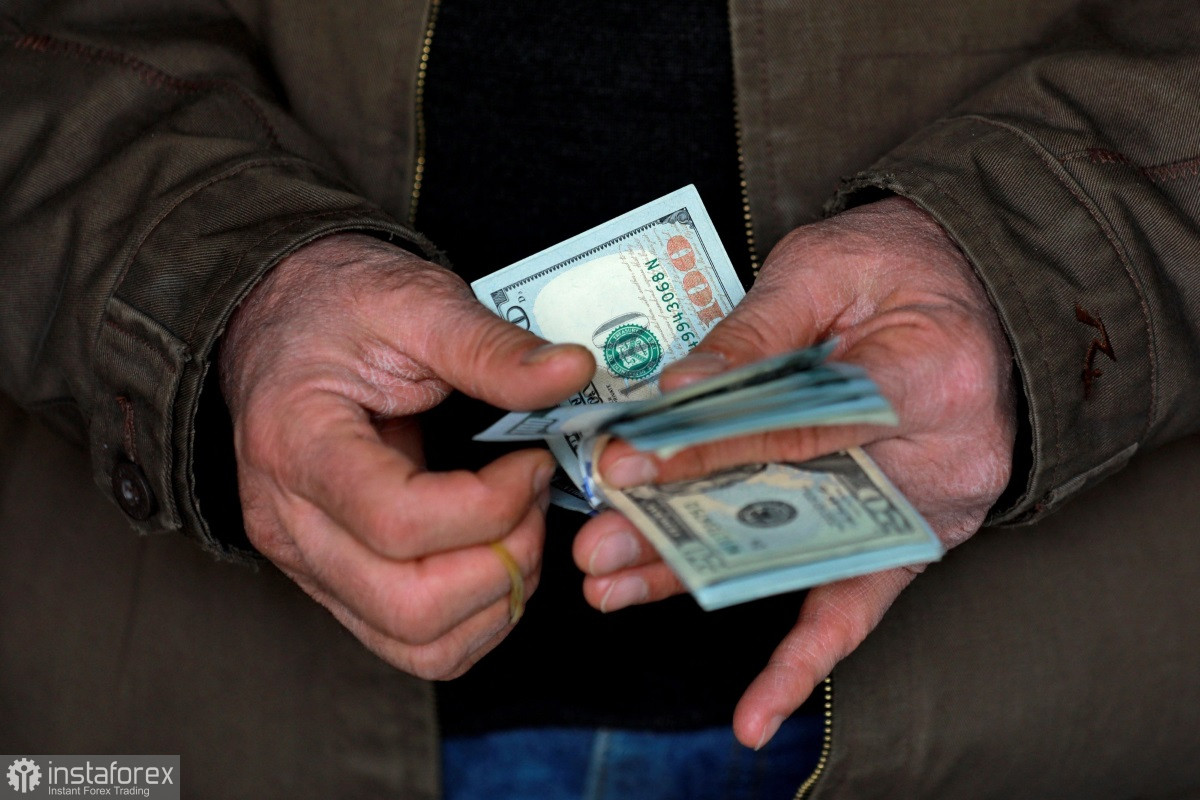
The composition of the decline helps explain what's happening with US consumers. The main contribution came from a $5.3 billion drop in outstanding credit card and other revolving debt—the largest fall in this category since 2024. At the same time, non-revolving loans such as auto loans and student loans continued to rise, adding $5.1 billion. It's a telling contrast: Americans have clearly begun deliberately shedding the most expensive and burdensome debt—credit card balances—while larger targeted loans for cars and education are still being taken out at the previous pace.
The reason for this behavior is clear and directly tied to the cost of that debt. The average interest rate on credit cards with balances in May stood at an elevated 22.15%. At the cost of carrying debt, rational consumer behavior is to prioritize paying down card balances. What's particularly troubling is that relief is unlikely: traders are pricing in the possibility of a Fed rate hike this year rather than a cut, so borrowers are unlikely to get any respite on card rates in the foreseeable future.
The context of this report matters for correct interpretation. Consumer spending has remained resilient in recent months despite an oil shock triggered by the war in Iran, which pushed prices up—especially at the pump. In other words, May's pullback in lending is not a sign that Americans have stopped spending, but rather a sign of debt fatigue after the largest consecutive increase in consumer credit in three years. People continue to buy, though increasingly prefer to pay down accumulated debts rather than take on new ones, particularly the most expensive.
There is a hopeful link with recent energy price dynamics. Falling gasoline prices are already lifting consumer sentiment, as confidence data show. That could bring some relief to household budgets in the coming months and gradually ease some of the pressure that forced households to rely on credit cards to cover current fuel expenses.
The dollar's decline may, at first glance, seem illogical because a drop in lending by itself is not an obvious dovish signal for the Federal Reserve. However, the market appears to interpret the data as an early indicator of cooling consumer activity and rising financial fatigue among households under the weight of high interest rates.
Technical outlook for EUR/USD
As for the current technical picture for EUR/USD, buyers need to take the 1.1460 level. Only that would allow them to target a test of 1.1490. From there, they can push toward 1.1525, but doing so without support from major players will be difficult. On the downside, I expect serious buying interest only around 1.1425. If there is no one there, it would be better to wait for a refresh of the low at 1.1395 or to open long positions from 1.1365.
¡Los informes analíticos de InstaForex lo mantendrá bien informado de las tendencias del mercado! Al ser un cliente de InstaForex, se le proporciona una gran cantidad de servicios gratuitos para una operación eficiente.


