 Permanecer

Condiciones de negociación
Products
Herramientas


The USD/JPY currency pair broke above the psychological 163.00 level, reaching 163.24 during the Asian session. This marks its highest level since 1986 and reflects the combined impact of several fundamental factors: the deterioration of Japan's trade balance, the escalation of the conflict in the Persian Gulf, and the persistent interest rate gap between the United States and Japan.
On July 21, Japan's Ministry of Finance released June trade balance data. The figures were alarming, showing a deficit of £406.9 billion (approximately $2.5 billion). This not only represented a reversal from last year's £122.3 billion surplus but also came in far worse than market expectations, which had anticipated a deficit of around £120 billion. Imports surged by 25.4% to a record £11.33 trillion, driven by rising energy prices. Japan imports more than 90% of its crude oil from the Middle East, and the increase in energy costs more than offset the decline in physical import volumes.
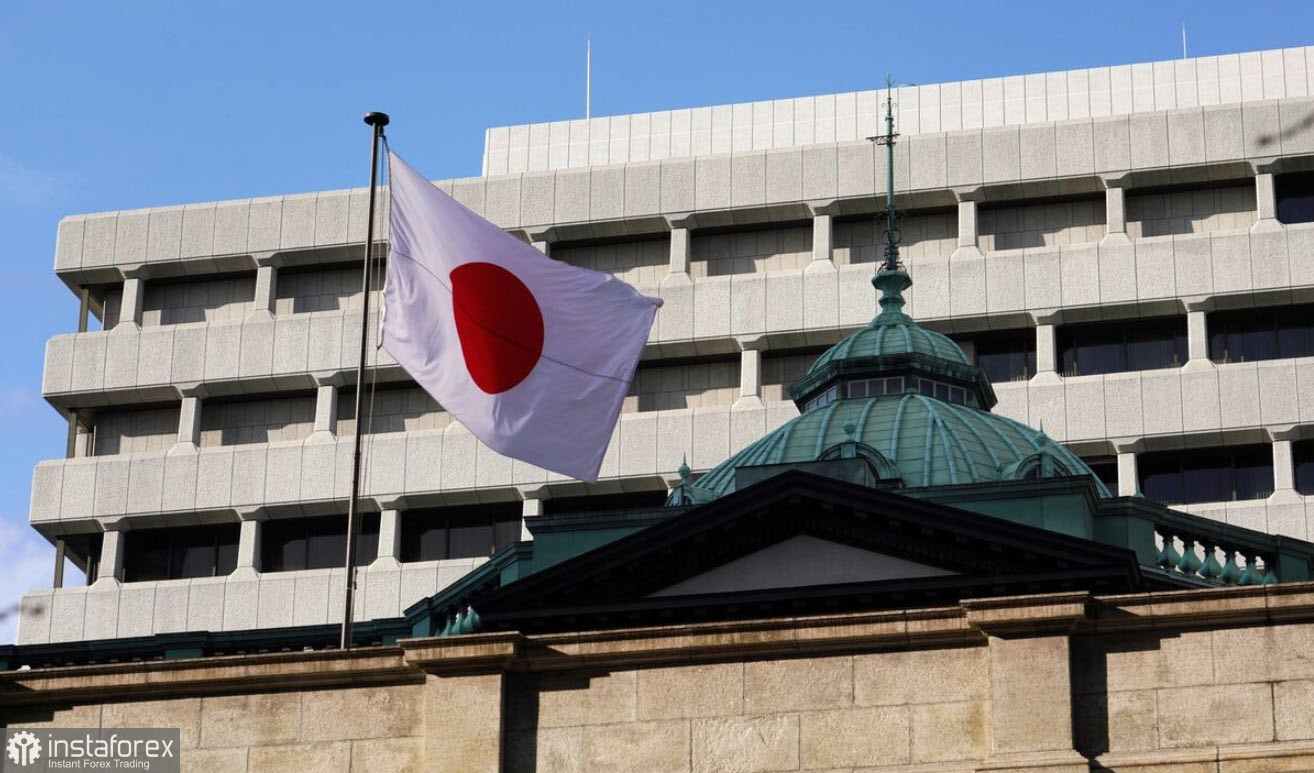
This trade deficit creates a vicious cycle: a weaker yen makes imports even more expensive in local currency terms, widening the trade deficit, which in turn puts further downward pressure on the yen. According to the Japan Center for Economic Research, the escalation of the regional conflict and persistently high energy prices could reduce Japan's real GDP growth in the second quarter to just 0.3% year-over-year.
If the conflict in the Gulf becomes prolonged, Japan will be forced to seek alternative, more expensive supply routes, leading to higher corporate costs and weaker consumer spending. In that scenario, the yen is likely to remain under structural pressure, and USD/JPY could move above 165.
Tomorrow, July 24, Japan will release its June Consumer Price Index (CPI) data.
The Bank of Japan's next policy meeting is scheduled for July 30–31. Markets expect the BOJ to leave its policy rate unchanged at 1.0%, the highest level since 1995. Given the weak GDP data and sluggish consumer spending, investors are not expecting a hawkish surprise from the central bank.
The break above the 163.00 level significantly changes the technical outlook. Finance Minister Katsuya Iba has already stated that the government is prepared to take "decisive measures," but the market has grown accustomed to such warnings following the large-scale currency interventions in April and May. Historical experience shows that even substantial intervention has only a temporary effect, as it is extremely difficult to reverse the broader trend while the Federal Reserve's policy rate remains 275 basis points above Japan's.
Net short positioning in the yen narrowed slightly to -£9.5 billion, but market positioning remains firmly bearish, while the estimated fair value continues to rise rapidly.
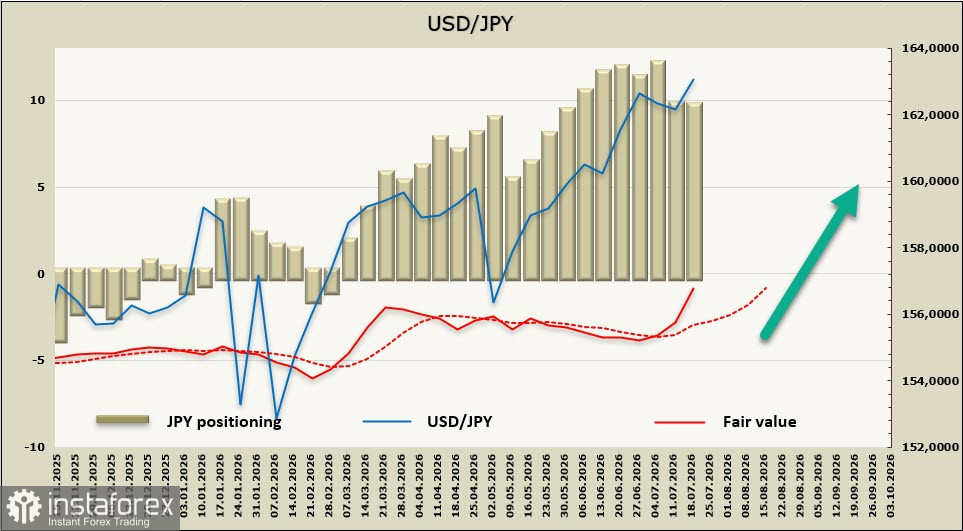
The next major resistance level is 164.50, corresponding to the November 1986 high. There are virtually no significant historical resistance levels between current prices and that level, leaving the technical path open for further gains. Without official intervention, the yen is likely to test 164.50 over the next one to two weeks. If intervention occurs, a correction toward the 160.00–161.00 range is possible, although yen sellers are likely to view such declines as buying opportunities.
As long as the Federal Reserve does not begin an aggressive rate-cutting cycle and tensions in the Middle East remain elevated, the fundamental pressure on the yen is likely to persist. A reversal of the current trend would require a major shift in the macroeconomic environment—either a sharp decline in oil prices or a U.S. recession.
¡Los informes analíticos de InstaForex lo mantendrá bien informado de las tendencias del mercado! Al ser un cliente de InstaForex, se le proporciona una gran cantidad de servicios gratuitos para una operación eficiente.


