 Zůstat
Obchodní podmínky
Nástroje



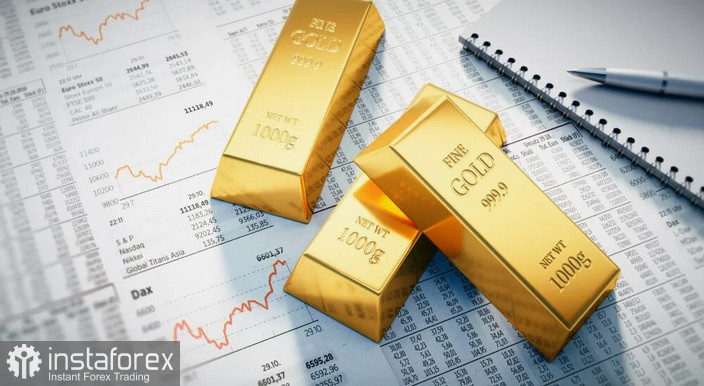
At the start of the week, gold is showing a recovery after opening with a bearish gap, although the potential for further growth remains limited. Investors are acting cautiously amid rising tensions between the United States and Iran.
Markets are characterized by reduced risk appetite: the optimism seen last week following the announcement of a two-week truce has faded, as US-Iran negotiations in Islamabad ended without meaningful progress. According to The Wall Street Journal, regional countries are taking steps to resume dialogue between the US and Iran in the coming days after the failed weekend talks.
US Vice President J.D. Vance stated that he had proposed a "final and best offer," but Iran rejected the terms, effectively bringing the negotiations to a deadlock. Iranian state media noted that excessive demands from the US side ruled out the possibility of compromise. At the same time, US President Donald Trump announced on Sunday that the US Navy intends to begin a blockade of the Strait of Hormuz, putting the fragile truce at risk. Additional pressure comes from ongoing Israeli strikes in Lebanon, increasing the likelihood of a new wave of escalation in the Middle East. This supports the US dollar as a reserve currency, while expectations of tighter monetary policy amid rising energy prices are limiting gold's upward potential.
In response, President Trump ordered a naval blockade of the Strait of Hormuz, stating that any Iranian vessels approaching the strait "will be immediately destroyed." The US Central Command (CENTCOM) clarified that the restrictions would apply to all vessels entering or leaving Iranian ports through the Persian Gulf and the Gulf of Oman.
The Islamic Revolutionary Guard Corps (IRGC) warned that any military vessels approaching the Strait of Hormuz would be considered a violation of the ceasefire and could face retaliatory measures.
Commodity markets remain concerned about potential disruptions in energy supplies, and oil prices remain elevated.
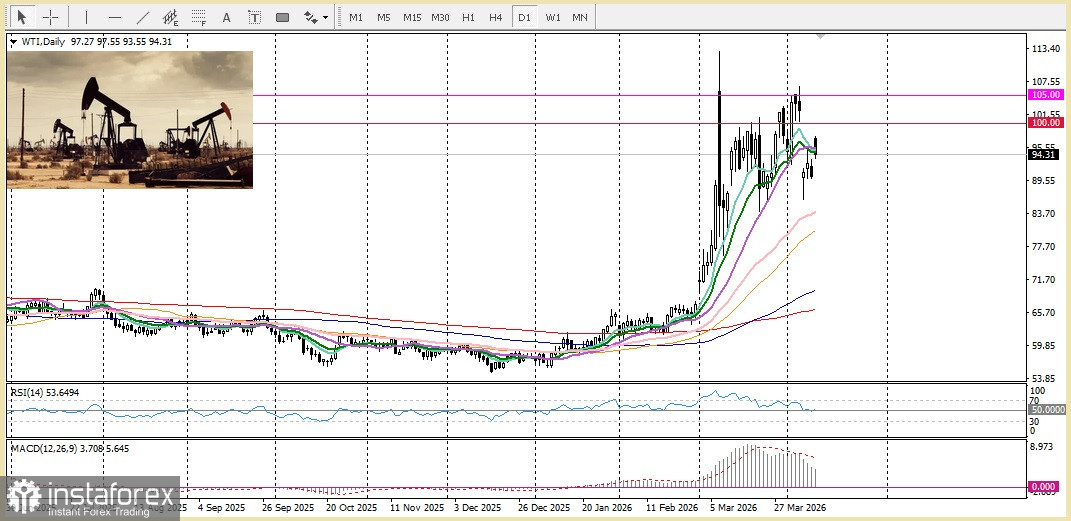
Rising oil prices are strengthening inflation expectations and fueling concerns that the Federal Reserve may be forced to keep interest rates higher for longer—or even raise them further if the conflict persists. This supports the US dollar and Treasury yields. March inflation data in the US showed accelerating energy prices: on a monthly basis, the Consumer Price Index (CPI) rose by 0.9% compared to 0.3% in February, while the annual rate increased to 3.3% from 2.4%.
Although gold is traditionally considered a safe-haven asset and a hedge against inflation, under current conditions it is struggling to attract strong demand. The likelihood of further rate hikes increases the opportunity cost of holding gold.
Nevertheless, the long-term outlook for gold remains solid, supported by continued purchases from central banks, declining confidence in fiat currencies, rising government debt in major economies, and steady investment demand.
In the coming days, the US economic calendar is relatively light. Market participants will focus on the March Producer Price Index (PPI), due for release on Tuesday. Speeches from several Federal Reserve officials are also expected during the week, which may provide insight into the regulator's future monetary policy plans.
From a technical perspective, oscillators are negative, indicating that bulls lack sufficient strength for further gains. However, prices have moved above the 20-day SMA, improving the outlook somewhat.
Díky analytickým přehledům společnosti InstaForex získáte plné povědomi o tržních trendech! Jako zákazníkovi společnosti InstaForex je Vám k dispozici velký počet bezplatných služeb umožňujících efektivní obchodování.


