 Zůstat

Obchodní podmínky
Nástroje



The escalation between the United States and Iran has turned the Strait of Hormuz into a "Schrodinger's strait." Maritime traffic has collapsed, pushing Brent crude above $95/barrel, yet the White House is broadcasting a sharply different narrative. US President Donald Trump insists that the waterway is under full control and that shipments remain at record levels. This information war has left markets deeply skeptical and unsure which version reflects reality.
Despite the geopolitical shock and higher energy prices, the US economy is showing surprising resilience. The Fed does not yet see an urgent need to raise interest rates, viewing the rise in government bond yields more as a sign of fundamental strength than as an inflationary crisis. While higher borrowing costs and fuel prices have hit auto and housing demand, industrial activity and data-center infrastructure investment are offsetting some of the drag. Follow the link for more details.
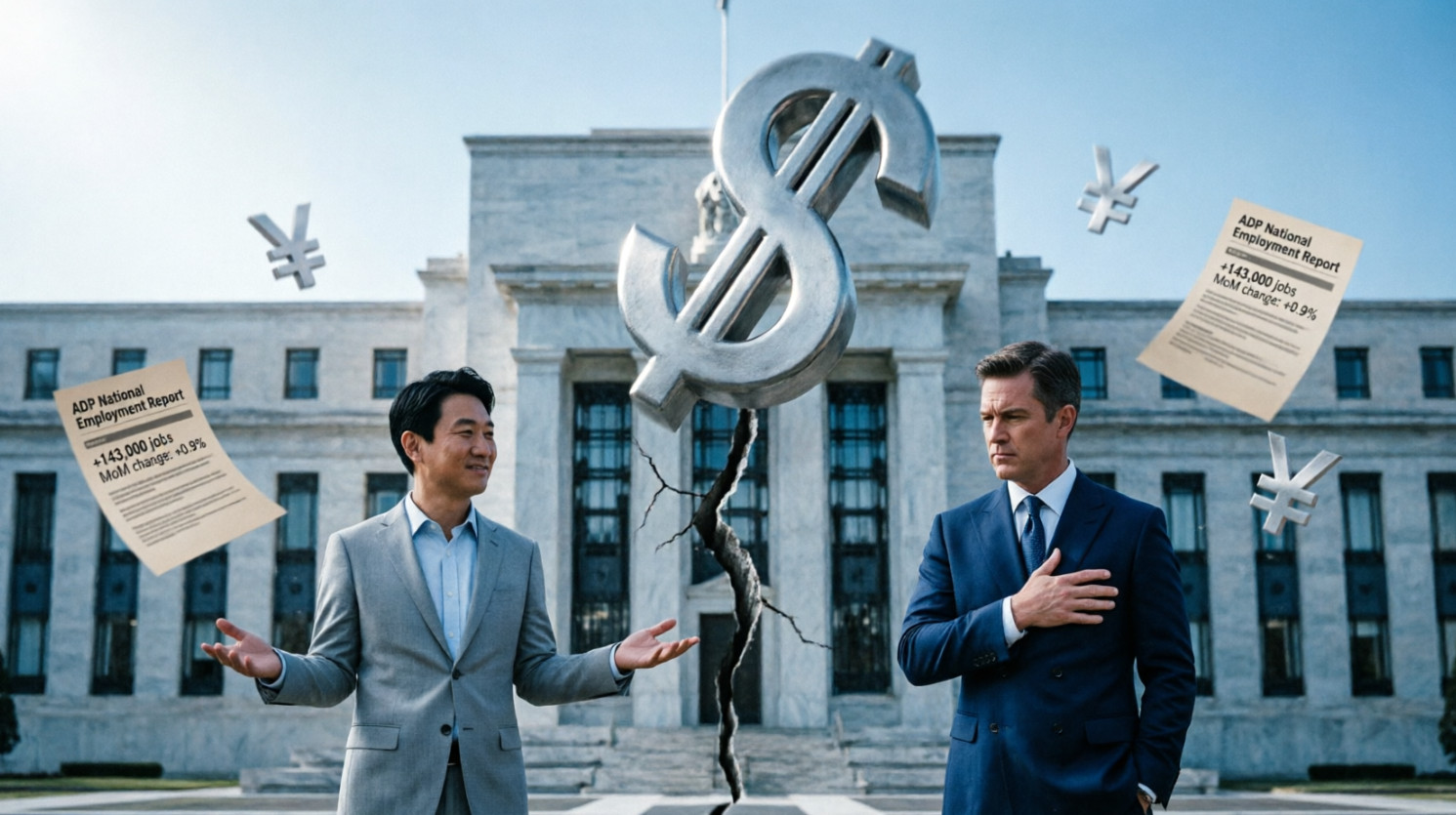
The dollar eased noticeably yesterday, pressured by three factors: a disappointing ADP report, currency intervention by the Bank of Japan, and, most importantly, dovish comments from New York Fed President John Williams. He said US inflation continues to slow and that the tariff effect is fading. He argued the current policy rate in the 3.50%–3.75% range is already at an adequate restrictive level and that the Fed does not need to rush.
Williams's remarks highlighted a deep ideological split within the Federal Reserve. His stance directly contradicts recent comments from Fed Chair Kevin Warsh, who believes financial conditions are not restrictive and that the fight against inflation is far from over. That fundamental disagreement leaves markets in limbo, depriving the dollar of clear backing and forcing investors to speculate which view will prevail. Follow the link for more details.

Markets are frozen in anticipation of the Fed's September rate decision, and forecasts are almost evenly split. On one side, persistently high inflation and rising Treasury yields push the central bank toward tightening. On the other, troubling labor market signals and easing consumer inflation give the Fed a solid reason to pause. This uncertainty creates a tug?of?war dynamic in which each new economic data point can tip the scales one way or the other.
The key trigger will be the upcoming US nonfarm payrolls report. If job gains come in weaker than expected and prices show no surprises, the probability of a September rate hike, which has already fallen from 68% to 60.2% after weak ADP data, will fall further. In that scenario, markets would respond decisively: equities, gold, and cryptocurrencies would climb, while the dollar and US government yields would come under significant pressure. Follow the link for more details.
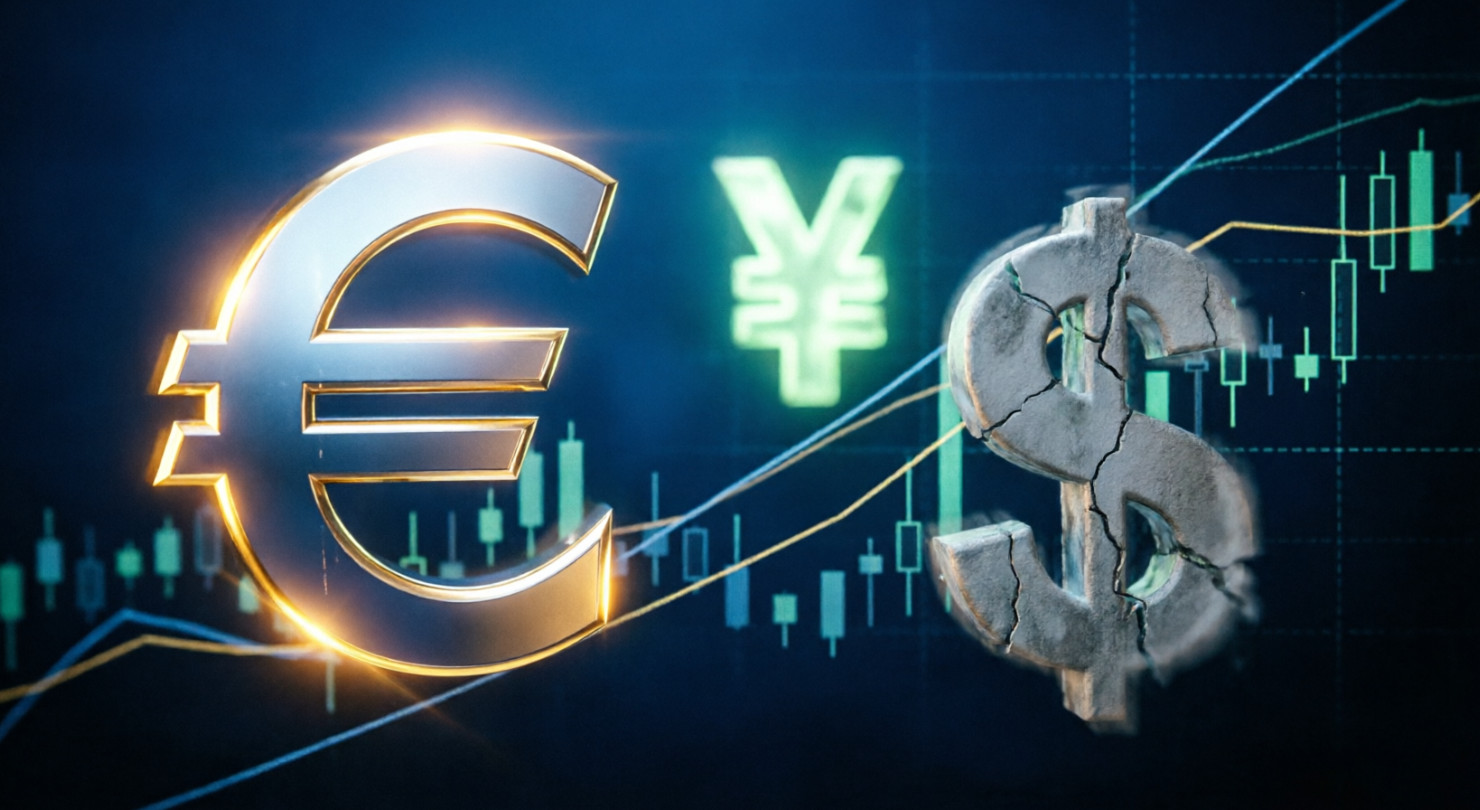
The EUR/USD pair has finally halted its long slide and moved to the offensive, with the Japanese yen emerging as an unexpected ally for euro bulls. The Bank of Japan has started to raise interest rates and trim its government bond purchases. Given the sheer size of Japan's financial markets, that move sparked a drop in global bond yields and a stronger yen — effects that have supported the euro via knock-on reactions.
A second, equally important reason for the reversal is the dollar's structural vulnerability. Large global investors are currently hedging currency exposure at the lowest levels since 2015, out of habit treating the dollar as a reliable safe haven. That strategy is beginning to crack: amid growing doubts about US authorities' willingness to defend the currency, the market is increasingly pricing for deliberate dollar debasement. If investor sentiment shifts sharply, the dollar could face a rapid sell-off. Follow the link for more details.
Díky analytickým přehledům společnosti InstaForex získáte plné povědomi o tržních trendech! Jako zákazníkovi společnosti InstaForex je Vám k dispozici velký počet bezplatných služeb umožňujících efektivní obchodování.


