 Anuluj
Warunki handlowe
Narzędzia



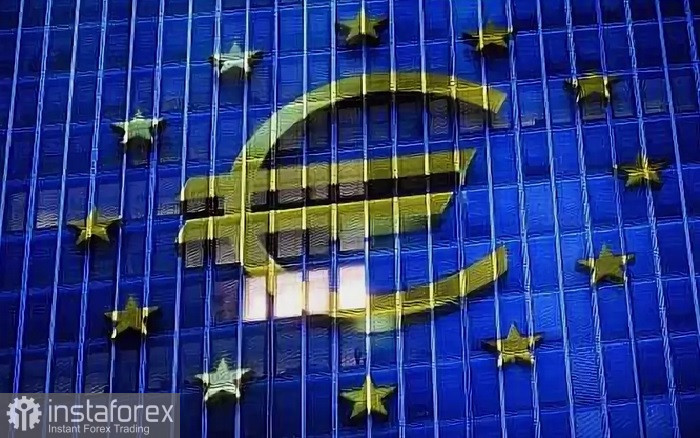
The European Central Bank, based in Frankfurt, will announce its policy decision on Thursday, following the April meeting. The institution is expected to keep key interest rates at the current 2%, which is broadly viewed as a neutral stance for the economy. Recent comments from ECB officials, including President Christine Lagarde, indicate that the Governing Council prefers to wait for additional data before taking further action, especially given the high uncertainty surrounding the geopolitical situation in the Middle East and its impact on energy prices.
Christine Lagarde will hold a press conference after the decision, and her remarks will be closely parsed for signals on the policy outlook. Questions are likely to focus on the persistence of the energy shock, the risk of second-round inflation effects, and growing signs of slowing economic activity in the eurozone. The bank is expected to reiterate its data-dependent approach and to stress that it will assess the situation meeting by meeting, keeping all options open.
How to read the ECB's rate decision?
The ECB faces an increasingly complex macroeconomic environment, characterized by a clear stagflationary shock. On the one hand, higher energy prices, driven by geopolitical tensions, are feeding headline inflation. On the other hand, core inflation remains relatively stable, while activity indicators, such as purchasing managers' indices (PMIs), point to a slowdown — notably, the services PMI fell to 47.4 in April.
It is likely that the central bank will hold rates steady, awaiting greater clarity; however, the risk of a June hike is rising, analysts say, particularly if energy supply disruptions persist. Deutsche Bank, among others, highlights that policymakers face "double uncertainty," stemming both from the Middle East conflict and from the extent to which higher energy prices will translate into broader inflation.
Recent data illustrate this dilemma. Headline inflation has picked up alongside energy prices, while core inflation edged down slightly, suggesting only limited pass-through so far. At the same time, business surveys report rising input costs and producer prices, signaling the potential for second-round effects. Growth indicators are weakening — PMIs have moved into contractionary territory, and consumer confidence has deteriorated.
In these conditions, the ECB is expected to pursue a gradual reaction — looking through temporary shocks where appropriate but ready to tighten policy more forcefully if inflation proves persistent. Most analysts judge April too early for a policy move but expect the central bank to keep a hawkish tilt in order to anchor inflation expectations.
Communication will be key. Policymakers are likely to underline rising concerns, reiterate their commitment to price stability, and emphasize policy flexibility. As commentators note, the ECB will probably adopt a hawkish posture in words, demonstrating readiness to act, rather than committing to a fixed path.
Dzięki analizom InstaForex zawsze będziesz na bieżące z trendami rynkowymi! Zarejestruj się w InstaForex i uzyskaj dostęp do jeszcze większej liczby bezpłatnych usług dla zyskownego handlu.


