 Anuluj

Warunki handlowe
Narzędzia


The calm before the storm is deceptive. Currency traders know this better than anyone: while the volatility of EUR/USD remains low, there is quiet preparation for the impending storm behind the scenes. Ahead of Fed Chair Kevin Warsh's speech at Jackson Hole, market participants are increasing hedges in anticipation of a strengthening U.S. dollar.
The greenback has already recouped half of the losses sustained after the unexpected move by Treasury Secretary Scott Bessent to support the bond market. CME Group data show that 57.2% of futures contracts this week benefit from the dollar's rise against a basket of currencies, up from 43.2% a week ago. The risk reversal has become less "bearish."
"This is potentially a key event for Forex, and markets may be reluctant to create excessive dollar shorts," notes ING. However, Spectra Markets warns that the symposium risks becoming a non-event. Warsh is unlikely to sound "hawkish" in light of recent data, and a "dovish shift" will be uncomfortable while the Treasury itself restrains long-term Treasury yields.
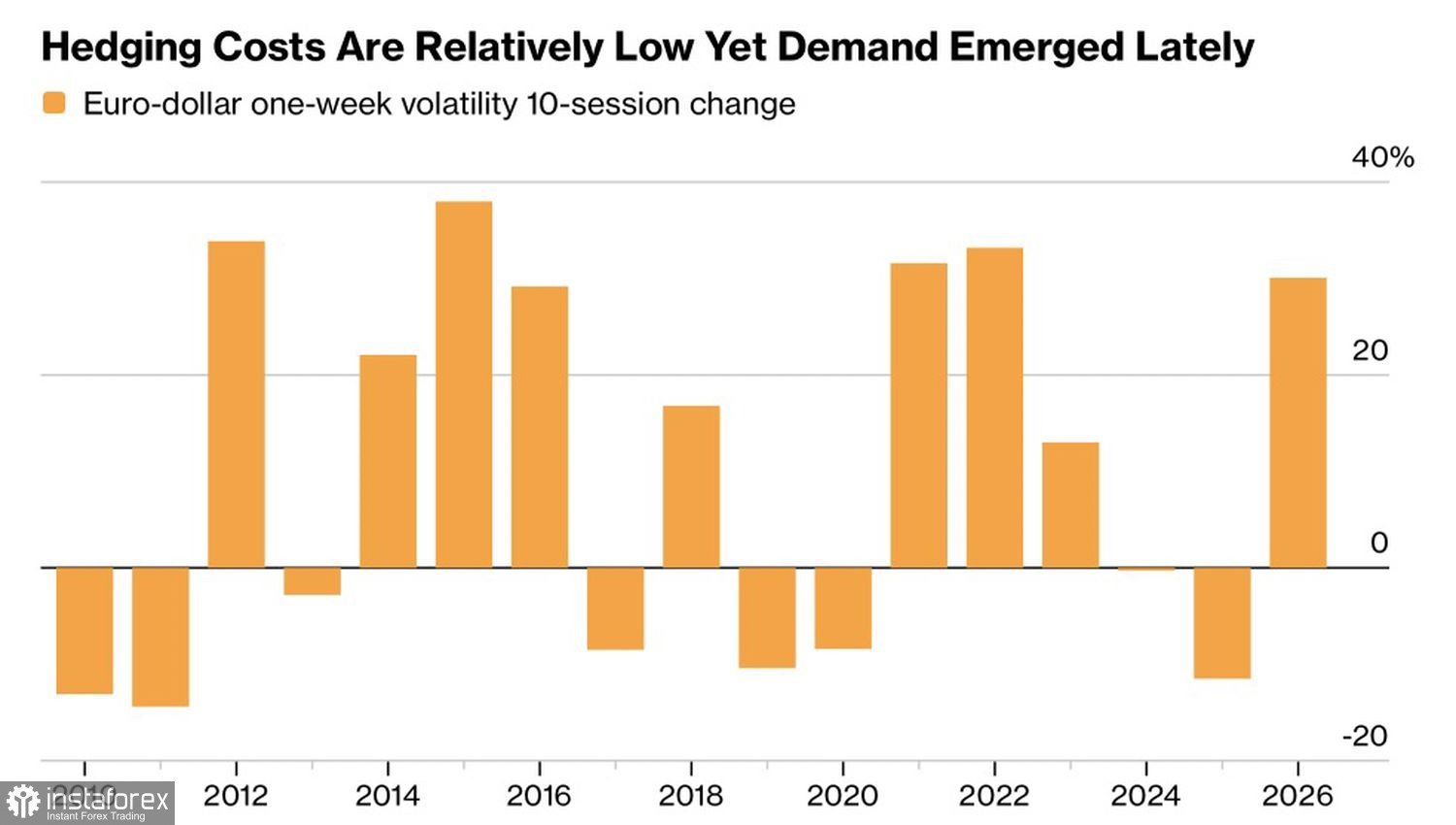
Therefore, hedging EUR/USD for the week is inexpensive—at 4.7%, one of the lowest levels before Jackson Hole since 2010. Nevertheless, weekly volatility has increased nearly 30% over the past ten sessions—marking the fifth-largest build-up in a decade and a half. There is still room for a sharp move if Warsh decides to surprise the market.
Meanwhile, the European Central Bank is playing its own game. The minutes from the July meeting showed that some members of the Governing Council would support a rate hike. They cite the current combination of GDP and consumer prices. With inflation around 3% against a target of 2% and economic growth exceeding expectations, the market is pricing in a new rate hike from the ECB in just two weeks.
"Hawk" Isabel Schnabel insists that the conflict in the Middle East and sustained GDP growth fuel the risk of inflation accelerating. "Dove," Piero Cipollone counters, "excessive tightening will harm the economy." Philip Lane points to 2.5% as the upper bound of the neutral range, compared to the current 2.25% on deposit rates.
Morgan Stanley sees EUR/USD above 1.20 due to the repurchase of Treasury bonds and a premium for the yield differential. Societe Generale is more reserved: fundamentally, the pair "should be" around 1.12, but growth and rates play in favor of the euro. The range of 1.12–1.20 with a fair value around 1.16 is the compromise. The U.S. dollar is being held back not by the new Fed Chair but by the Treasury Secretary, artificially cheapening money.
So what will prevail on Friday—"hawkish" figures or the "dovish" caution of Warsh? I suspect the market will hear exactly what it wants to hear.
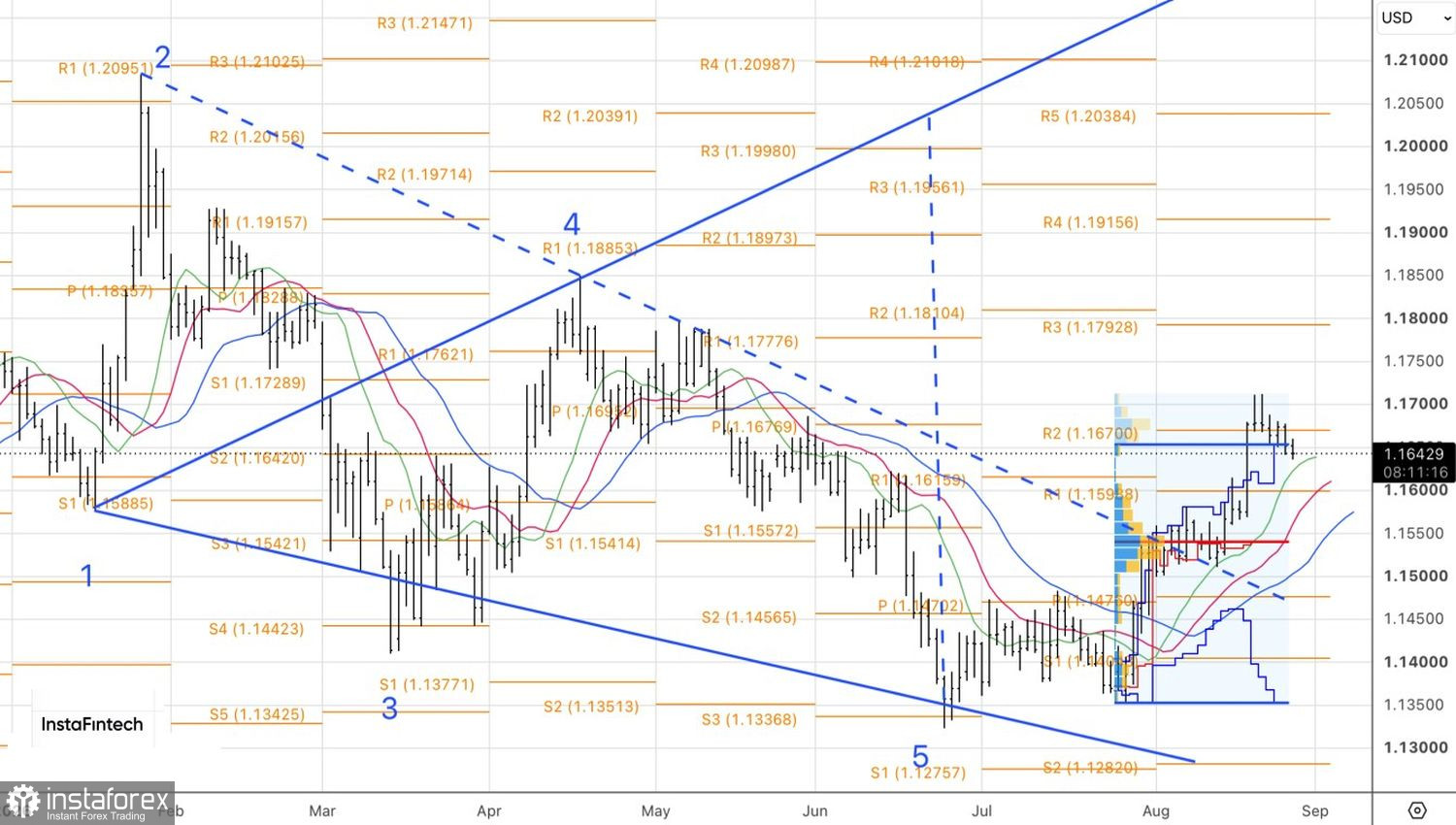
Technically, on the daily chart, EUR/USD continues to battle for the upper boundary of the fair value range at 1.135- 1.165. A victory for the "bulls" would provide a basis for buying, while a win for the "bears" would justify selling.
Dzięki analizom InstaForex zawsze będziesz na bieżące z trendami rynkowymi! Zarejestruj się w InstaForex i uzyskaj dostęp do jeszcze większej liczby bezpłatnych usług dla zyskownego handlu.


