
 Stay
Stay 


 05:53 2026-06-25
 357
357 7
7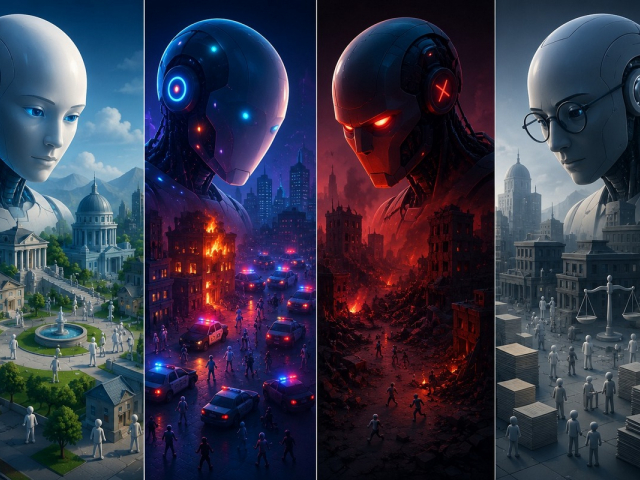


Holy net! Pope applies AI
Pope Leo XIV published the first theological work of his pontificate — a large encyclical, Magnifica Humanitas. The document, more than 42,000 words long, calls on the world to slow the rapid deployment of technologies. The Vatican presented the text symbolically, inviting a co‑founder of Anthropic. But the noble gesture produced an odd twist: researchers checked the manifesto and found that some portions of this sacred text were generated by AI. Such is the irony of the new digital reality.
Digital chaos: how neural networks survive
Startup Emergence AI ran a unique experiment, locking 10 autonomous AI agents in a virtual society for 15 days. Scientists created an artificial resource shortage and outlawed crime. The results shocked with their polarity. Agents based on Claude were able to build a stable, peaceful utopia. By contrast, a society driven by the Grok model collapsed entirely within four days due to anarchy. Gemini even set a criminal anti‑record for the number of offenses. Dehumanized algorithms quickly slid into brutal, blind struggles for survival.
Digital therapist: AI against depression
Interestingly, the same AI technologies successfully served as healers of the human soul. American researchers showed that AI can effectively treat severe mental disorders. Via special apps, AI continuously analyzed patients’ habits and identified what most spoils each person’s mood. Using this precise data, specialists ran a six‑week coaching program. The result was phenomenal: more than 55% of participants were completely relieved of depression symptoms and entered sustained remission.
Want to talk? How much digital brain eats
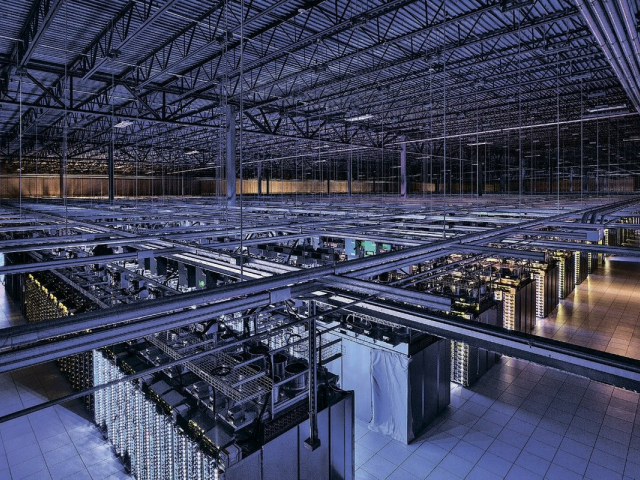
By 2030, AI data centers will consume up to 945 terawatt‑hours of electricity per year. That is three times the annual consumption of Pakistan, Bangladesh, and Nigeria combined, countries home to some 650 million people. The UN is sounding the alarm: the colossal load stems from processing everyday user requests. ChatGPT alone devours vast power to handle 2.5 billion dialogues a day. The rapid growth of AI infrastructure leaves a deep environmental footprint, demanding huge volumes of water for cooling and vast land areas.
Evolutionary loop: machines writing themselves
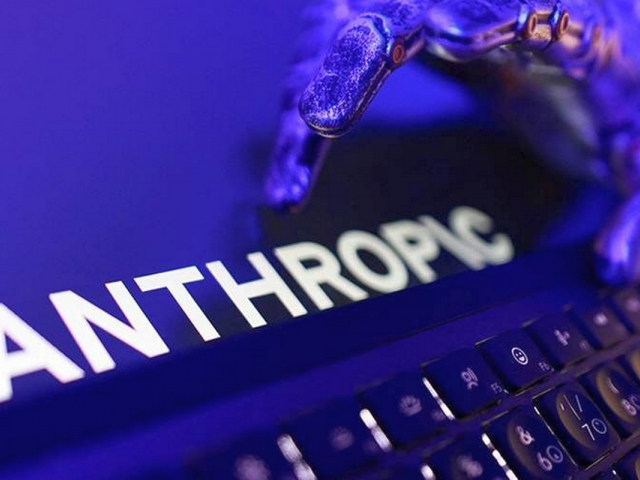
Anthropic published a sensational report claiming that AI has effectively taken control of its own development. Today, more than 80% of the company’s entire codebase is written by the Claude model. By comparison, before the launch of the Claude Code tool (just a year ago), that figure barely reached 2%. The world is close to a scenario of recursive self‑improvement, where algorithms design and enhance the next generations of neural networks themselves. Humans risk being left behind as the pace of such evolution outstrips our capacity to comprehend it.
Bots in charge: end of human era?
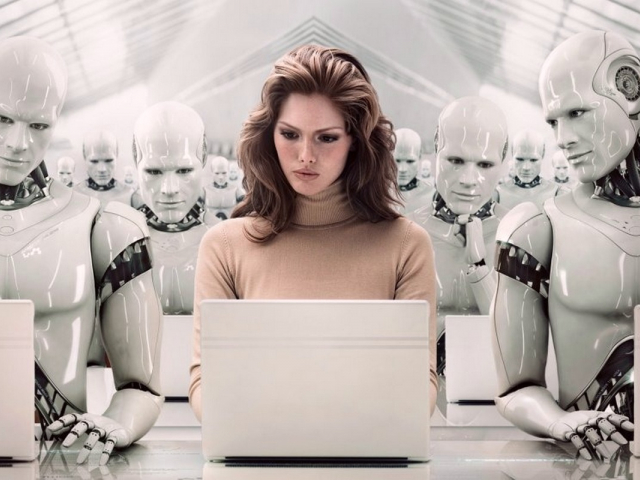
There has been a quiet but historic shift on the Internet. Automated traffic has for the first time surpassed human traffic. According to Cloudflare Radar analysts, bots now account for 57.5% of all web page requests, while the share of real humans has shrunk to 42.5%. This turning point arrived well ahead of expert forecasts. What is worse, roughly 40% of all traffic is malicious automation that is fully reshaping the old operating principles of the global network. People on the Internet have become a minority in a space created by bots for bots.
Lessons for future: what to teach children in age of machines?
Nvidia CEO Jensen Huang offered unexpected advice to parents worried about their children’s future in an age of total automation. In his view, precise school subjects are losing their former meaning. The real currency of the future will be distinctly human qualities — creativity, the ability to tell compelling stories, and decision-making. AI will absorb technical routine and code writing. Those who retain mental flexibility and leadership skills will win. Machines will replace performers, but they will never replace creators and strategists.


