 Stay
Stay 

Trading Conditions
Products
Tools

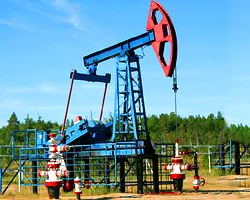
Heating oil futures declined to approximately $2.30 per gallon, marking a decrease from the monthly peak of $2.35 reached on August 25th. This drop was influenced by reduced crude oil feedstock costs, increasing distillate inventories, and improved refinery output, all of which alleviated the immediate supply constraints. The crude oil benchmarks experienced a pullback due to persistent geopolitical challenges, including the conflict in Ukraine and ongoing trade concerns related to tariffs. These factors contributed to investor caution, preventing a rise in prices. Concurrently, data from the Energy Information Administration (EIA) indicated a rise in distillate supplies, with inventories in New York Harbor remaining substantial in comparison to earlier seasonal lows. This increase in physical supply led to price pressure. Additionally, refinery throughput increased as facilities emerged from maintenance phases, stabilizing distillate production and converting market tightness into a modest surplus in certain areas. Consequently, wholesalers opted to replenish stocks rather than escalate prices.


