 Stay
Stay 
Trading Conditions
Products
Tools



EUR/USD began the new trading week calmly, essentially at Friday's close (1.1487 vs 1.1485). The market has already priced in the Federal Reserve's hawkish September outcome and is trading within the 1.14s. However, sustainable further downside now requires fresh information catalysts, while this week's economic calendar is not packed with major macro events. The most notable releases are preliminary PMIs on Wednesday and Germany's IFO indices on Thursday.
Those reports alone are unlikely to reverse the established downtrend. Strong euro-area readings (or weak US data) could trigger a sizeable correction if multiple factors align in favor of euro buyers, but a full trend reversal would likely need more than weekly releases.
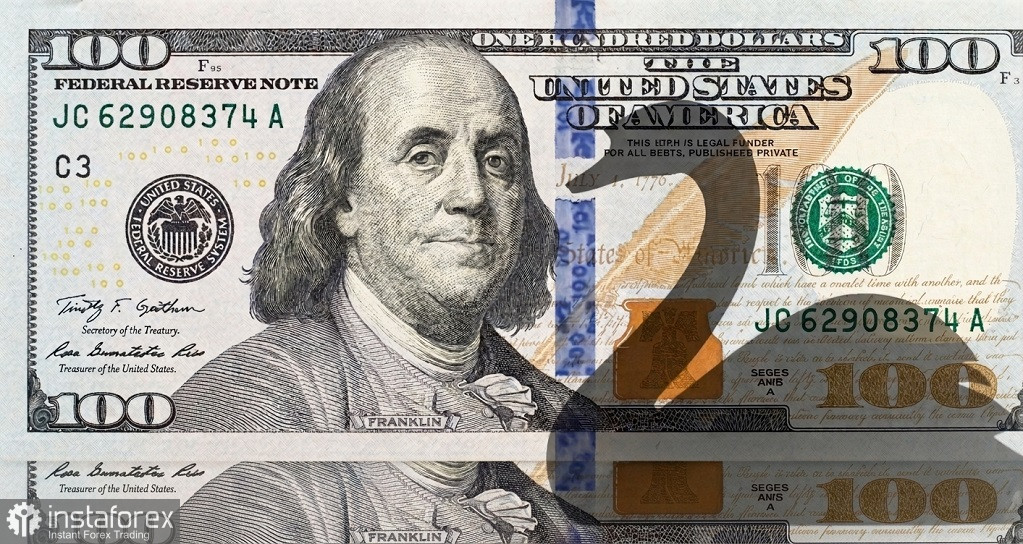
With a relatively quiet macro week ahead, the pair is drifting sideways — yet this calm can be deceptive: a geopolitical "black swan" hidden in the wings could reappear and redraw the fundamental picture at any time.
In recent weeks, traders focused almost exclusively on Federal Reserve and European Central Bank policy. That sequence of events — euro-area inflation, US CPI/PPI and August NFP — meant each release was interpreted through the lens of future rate paths on both sides of the Atlantic.
The central banks have delivered their verdicts: the ECB raised rates but kept a cautious tone, while the Fed raised rates and signaled further steps if inflation risks persist.
This Fed hawkishness is what supports the dollar now. Market pricing puts the probability of another Fed hike before year-end at roughly 70–80%. Therefore, any event that calls that scenario into question is a serious risk for the dollar — and thus for sellers of EUR/USD.
The Middle East could be decisive here. The US–Iran conflict has been viewed largely in terms of its inflationary impact via higher oil prices. August US CPI confirmed that link: headline CPI rose 0.4% m/m and 3.4% y/y, with gasoline up 3.9% and contributing over a third of the monthly increase. Core CPI, however, slowed to 2.4% y/y from 2.5% in July, indicating much of the current inflation pressure is concentrated in energy.
In short: the market is calm for now, but the fundamental backdrop remains fragile — geopolitics and energy prices can quickly change the outlook for EUR/USD.
Therefore, a diplomatic breakthrough between Washington and Tehran could become the very "black swan" the market has largely not priced into current levels. A potential agreement, easing of sanction risks and — most importantly — normalization of shipping would increase oil supply and reduce the premium for supply disruptions. Incidentally, Brent fell more than 2% today on renewed hopes for diplomatic progress after Donald Trump signaled that a deal is possible and did not rule out a meeting with Iranian President Masoud Pezeshkian on the sidelines of the UN General Assembly.
Successful diplomacy would undoubtedly reverberate through market expectations about future Fed actions. The causal link is obvious: cheaper oil would directly reduce the gasoline and energy components of CPI and, with a lag, ease pressures on transportation and other business costs. Core inflation is already showing relatively moderate dynamics even amid high oil prices.
Consequently, if the energy shock begins to fade quickly, the market may question the need for the next "hawkish" step. This is important because the dollar currently draws much of its support from expectations of continued tightening (rather than from the rate hike that has already occurred).
Thus, an unexpected diplomatic agreement could strike the greenback hard by lowering oil prices, easing headline inflation, and prompting a reassessment of Fed-rate expectations. In that scenario, EUR/USD buyers would materially strengthen their positions even without strong euro-area data.
That is why short positions in EUR/USD now carry elevated risks — especially in the coming days, since the UN General Assembly opens tomorrow, September 22, and Trump could meet with the Iranian president on the sidelines. The mere prospect of such a meeting would not mean a deal is done, but even a hint that Washington and Tehran are willing to return to negotiations would trigger a sharp re-pricing of current market expectations.
Technically, EUR/USD is likely to remain range-bound near 1.1450–1.1530 in the near term (the lower Bollinger band on H4 — the upper edge of the H4 Kumo). However, treat any break of the lower boundary with special caution: the main risk to the dollar now is a potential diplomatic turnaround in the Middle East, so any news of progress in talks could quickly push the pair back into the 1.15-area.
InstaForex analytical reviews will make you fully aware of market trends! Being an InstaForex client, you are provided with a large number of free services for efficient trading.


