
 Stay
Stay 


This information is provided to retail and professional clients as part of marketing communication. It does not contain and should not be construed as containing investment advice or investment recommendation or an offer or solicitation to engage in any transaction or strategy in financial instruments. Past performance is not a guarantee or prediction of future performance. Instant Trading EU Ltd. makes no representation and assumes no liability as to the accuracy or completeness of the information provided, or any loss arising from any investment based on analysis, forecast or other information provided by an employee of the Company or otherwise. Full disclaimer is available here.
 14:37 2016-02-22
Unexpected people on Forbes list
 562
562 8
8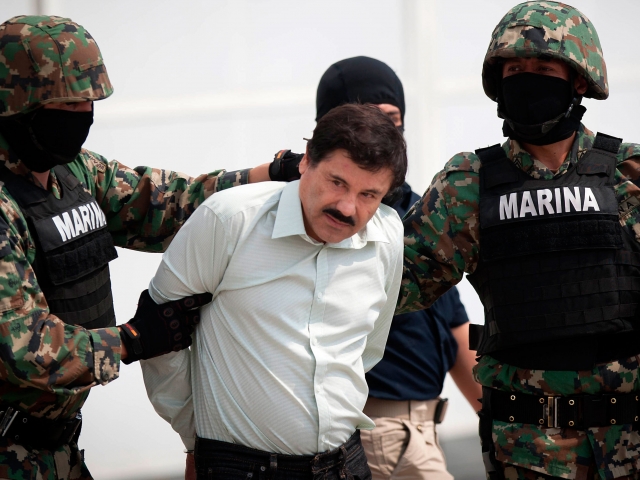
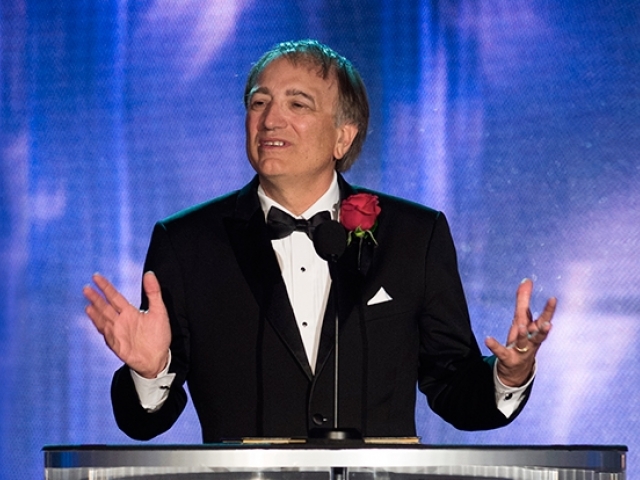
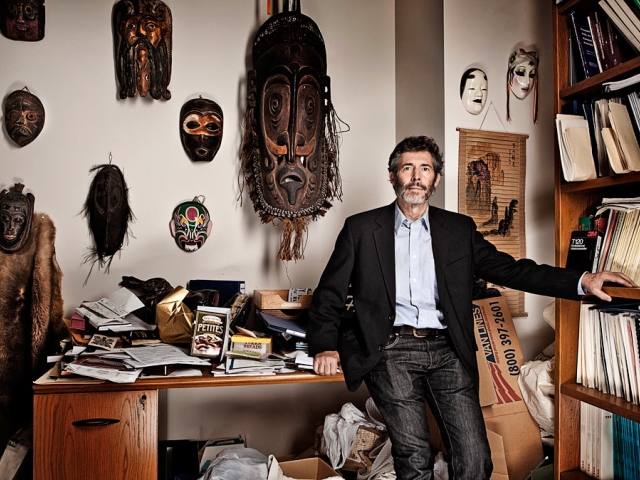
Professor at Stanford University David Cheriton is a very lucky man indeed. Once, he believed in the talent of his students, Sergey Brin and Larry Page, and made an investment of $100,000 in Google. A successful investment bore fruit when Google became one of the most thriving companies in the market, and the investor made a substantial fortune. David Cheriton has an estimated net worth of $3.3 billion. The professor has a reputation for a frugal lifestyle. He lives in the same house when he was young, rides a bike, drives his old Volkswagen and continues to teach at the University. Up to the present moment, David Cheriton has donated around $50 million to various startup projects.
Notorious drug lord Joaquín Guzmán, also known as “El Chapo” (the Shorty), is also ranked one of the richest people in the world with an estimated net worth of roughly $1 billion. Joaquín Guzmán has been involved in drug trafficking for a long time. However, it’s not that easy to send the drug kingpin to prison. He is famous for a series of escapes. Lately, El Chapo was arrested again. The authorities announced that this time the security measures are going to be tighter. The drug baron was reportedly interested in buying Chelsea and also was going to register his own brand as a trademark.
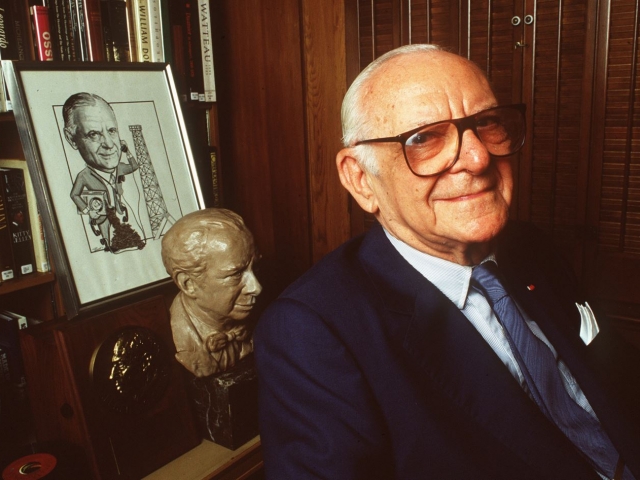
A historical figure Armand Hammer was also on the Forbes list. This man made his fortune from the Russian Revolution. That is why he was named the “Red Capitalist”. In the pursuit of wealth, he made acquaintance with Lenin, who gave him a concession to an asbestos mine in exchange for the US wheat. The Soviets paid with furs and caviars that he eventually sold in the United States. With the funds raised in the Soviet Union the entrepreneur founded United Distiller back in the United States. Later, he bought Occidental Petroleum, an oil producing company.
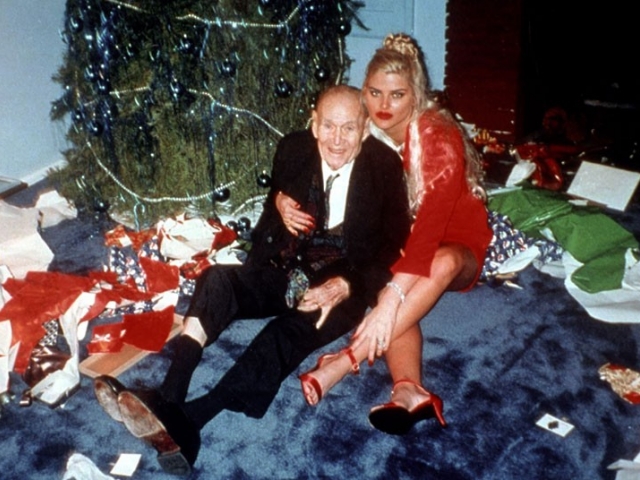
Billionaire J. Howard Marshall appeared on the Forbes list at the age of 85. If it wasn’t for reporters, no one would ever know about a senior billionaire. They discovered that 16 percent of Koch Industries belong to a person who was not familiar to general public. It was revealed that in 1960, James Howard Marshall became a partner of the Koch family. The Koch brothers convinced him to sell his shares in Pine Bend in exchange for 16 percent stake in Koch Industries. The deal turned out to be very profitable as the company became one of the most large-scale businesses in the United States. Today, the heirs of a prominent business magnate have a fortune of $10 billion.
Another professor at Stanford University - Pat Hanrahan – also surprised the editors of Forbes. The professor is a cofounder of Tableu Software and was a founding member of Pixar Animation Studios. His achievements made him the second richest academic at the Silicon Valley. Nevertheless, the billionaire continues to teach at the University.
Pat Hanrahan established Tableau Software with his student and nowadays he has a $900 million stake in the company.
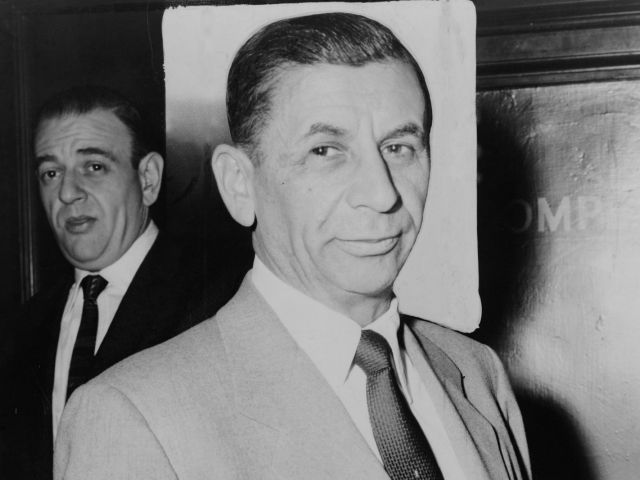
Early 1980s, the Forbes list of richest people included Meyer Lansky, a Russian immigrant to the United States who was involved in the bootlegging trade and gambling operations in 1920s. At that time, he made a fortune of $100 million. Meyer Lansky was also known as the “Mob’s Accountant” because he was in control of financial matters.
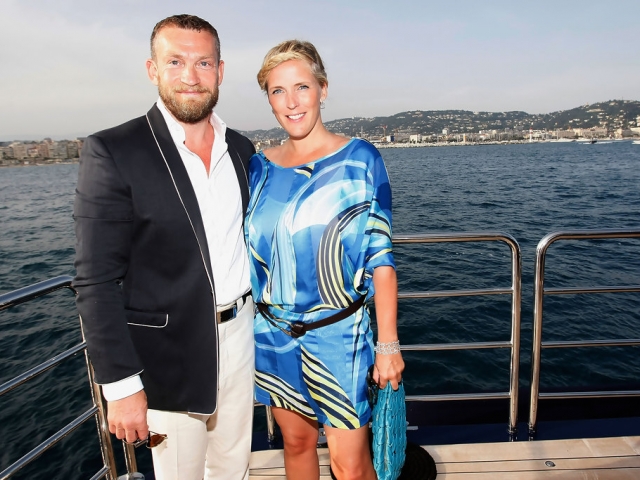
Iceland’s billionaire Thor Bjorgolfsson made his first millions from Bravo brewery in Russia and created popular beer brands, Botchkarov and Ohota. The businessman sold the company to Heineken in 2002, netting $100 million. Then Bjorgolfsson was heavily investing in Iceland’s banks, but he went bankrupt during the financial crisis of 2008. He was struggling to return to the ranking of the richest people for a long time. After Watson Pharmaceuticals purchased Actavis in 2012, the ex-billionaire was able to pay back his debts. In 2015, he returned to the Forbes list with a net worth of $1.28 billion.
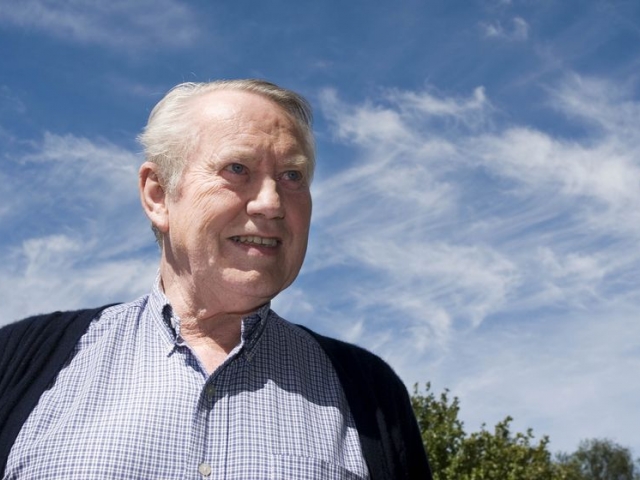
Chuck Feeney, a cofounder of the Duty Free Shoppers Group, is a remarkable billionaire who spends all his money on charity. He is referred to as “The Billionaire Who Wasn’t”. The entrepreneur has made a lot of donations towards projects in Ireland and other countries. He supports education, science, and health care. Chuck Feeney plans to spend the remaining money and shut down his charitable foundation by 2020. The former billionaire does not own a house or a car.
Recommended photo news
How design of Oval Office changes under different presidents
The Oval
Office has existed since 1909, when William Howard Taft created this oval room
in the West Wing of the White House. Since then, each president makes changes
to its decor that reflect their personal style, era, and priorities. The
Resolute desk, the flag, the rugs, curtains, and portraits are not just
background elements; they are metaphors for leadership and witnesses to
decisions that affect the fates of the United States and the world.


12:50 2025-12-11 UTC
545
7
Bringing light, Internet, and AI: Innovators who transformed daily life
Throughout human history, inventions have served as catalysts for progress, accelerating societal evolution and opening new horizons for collective development. From Thomas Edison's light bulb, which dispelled darkness and spurred industrial growth, to Tim Berners-Lee's World Wide Web, which connected billions of minds in a global network of knowledge, these innovations have not only simplified daily life but have radically transformed social, economic, and cultural landscapes. Today, AI is picking up this baton, promising a new revolution in every field of human endeavor
10:13 2025-12-08 UTC
317
7
Mythical creatures in modern cinema and art
Dragons, unicorns, and phoenixes have been part of legends for centuries, but it is cinema and digital art that have transformed them into global cultural symbols. Their images have evolved from mystical beings to central characters in multimillion-dollar franchises. Today, they play a role not only in fantasy but also in branding, visual fashion, and pop culture trends. The more powerful the visual industry becomes, the more frequently unicorns gallop across screens, and phoenixes ignite in a blaze of special effects.
12:25 2025-12-05 UTC
320
5


