
 Stay
Stay 


 12:22 2026-03-25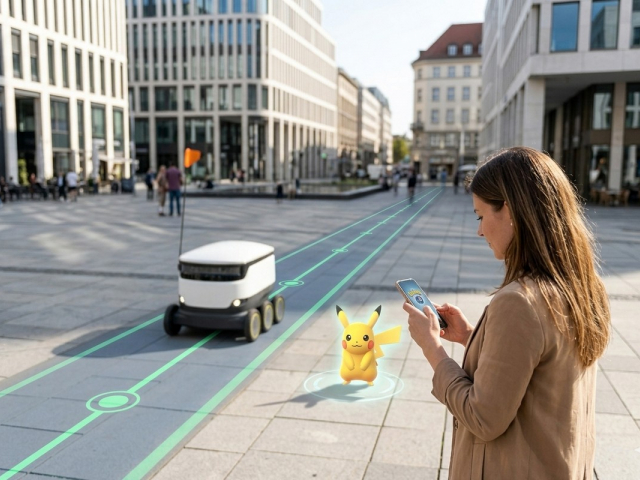
 569
569 10
10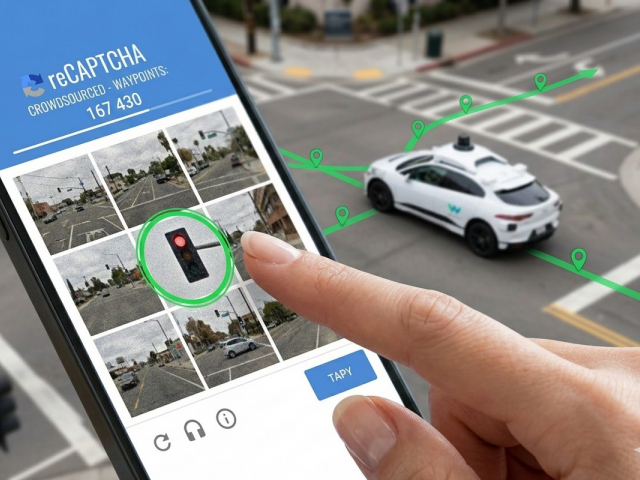
Pokemon Go and world’s "living" topology
When 230 million players around the globe took to the streets in search of Pikachu, they unknowingly created the most detailed geodetic data set in history. Pokemon Go turned players' smartphones into sensors, capturing not only GPS coordinates but also the real-world topology through AR-enabled cameras. Niantic and its partners now use this Pokemon data to create a continuously updated “living map” of the world. This map trains delivery robots and AI systems to navigate complex urban environments.
reCAPTCHA – Google's free secretaries
Every time you type distorted letters or identify traffic lights in photos to prove you are not a robot, you are actually helping autopilots. Originally, Google used reCAPTCHA to digitize old newspaper and book archives that machines could not recognize. Now, reCAPTCHA serves as a tool for training self-driving systems: you annotate millions of images for free, assisting machines in recognizing pedestrians, signs, hydrants, and complex road markings. Your seconds of security verification have saved Google and Waymo billions of hours that would have been spent on annotation.
Foldit: gamers defeating HIV
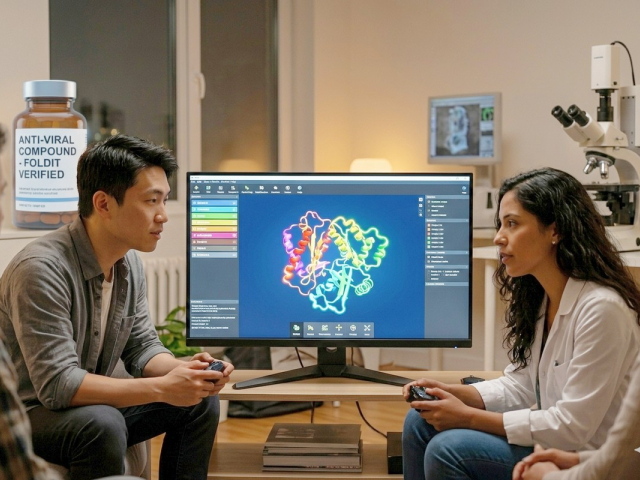
For decades, researchers in structural biology struggled to resolve the structure of a retroviral enzyme critical for the reproduction of an HIV-like virus. Complex supercomputers and laboratories spent 15 years battling this problem unsuccessfully. The solution came unexpectedly: gamers playing the Foldit puzzle game (where players "fold" proteins) solved the problem in just 10 days, despite having no biological training. It turned out that the human brain, honed for spatial tasks, is more effective in a gaming interface than dry computational methods.
Sea Hero Quest: navigating against dementia
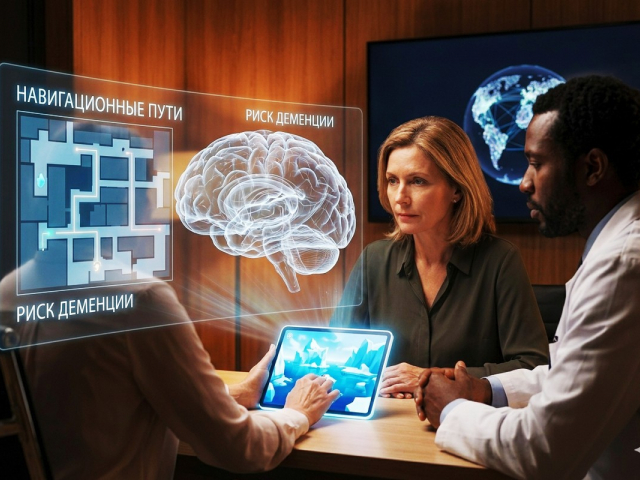
In 2016, the Sea Hero Quest mobile game was released, where players needed to memorize a map and guide a ship through checkpoints. This was not just an adventure: two minutes of gameplay replaced five hours of laboratory research on dementia. The project generated the world’s largest dataset on human spatial navigation. Data from over 4 million players enabled scientists to understand how people lose their sense of direction in the earliest stages of Alzheimer’s disease and to create a global standard for navigation, which is now used to diagnose the illness.
Waze: how delays turn into maps
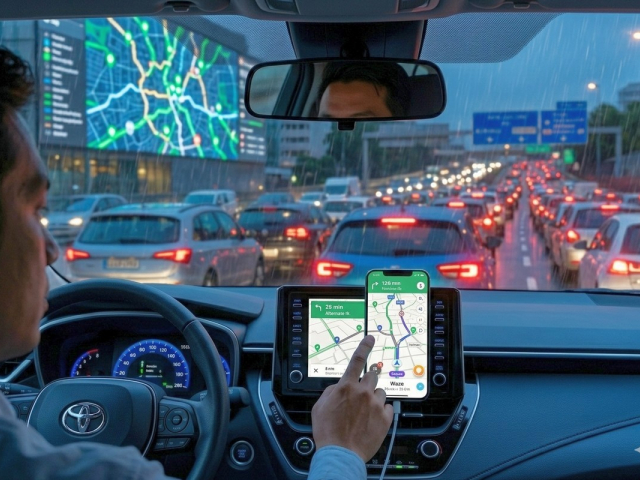
Waze is not just a navigation app; it serves as an aggressive crowdsourcing sensor. The application takes into account data on speed, sudden braking, traffic jams, and even potholes. Millions of these sensors create the most accurate dynamic map of the world in real time. The genius of Waze is that users' side activities (navigation) yield the main result (the map). For example, delays in getting to work have become a tool for urban planning. Authorities in many megacities now purchase this data from Waze to optimize traffic light operations and plan road repairs.
Duolingo: learners translate content for CNN
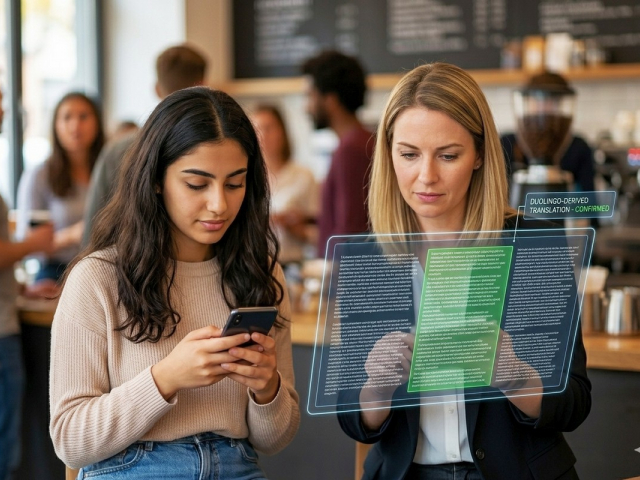
Duolingo's initial business model was a masterclass in "sneaky" crowdsourcing. The app offered segments of real articles from the Internet as translation exercises. In this way, Duolingo was essentially translating content for giants like CNN and BuzzFeed, paying for your free lessons with your own labor. You thought you were learning a language, but in reality, you were working in a translation bureau without knowing it. While the model has since evolved, it was this crowdsourcing that propelled Duolingo to become a giant.
Eterna: puzzle passion saves the world
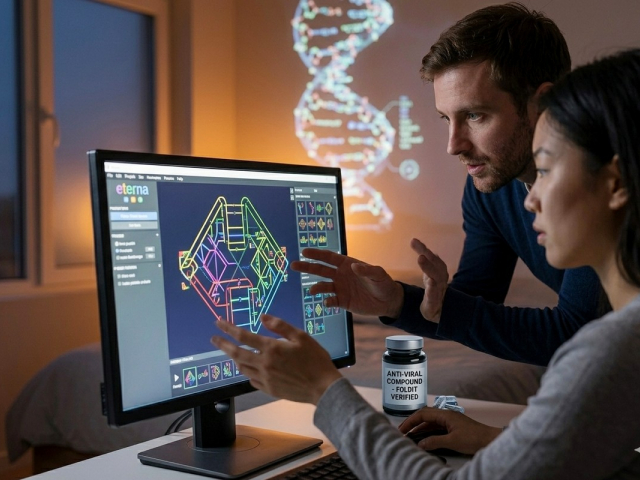
Eterna is another puzzle game where users design new RNA molecules. This is not just entertainment; it represents advanced biohacking, as gamers predict RNA folding stability and compete with supercomputers. The best players' results are sent to Stanford's lab for real synthesis. Eterna's power became evident in the 2020s when data generated by gamers helped scientists optimize the design of RNA vaccines. Your passion for puzzles could save billions of lives while you sit in your room.
Galaxy Zoo: millions of galaxies in one click
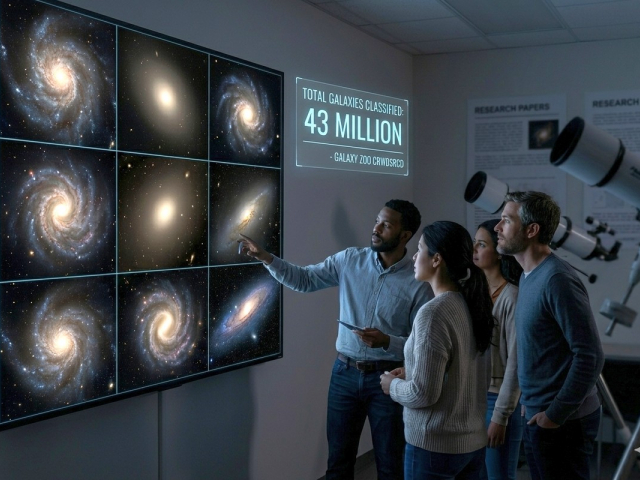
Before Galaxy Zoo, astronomers needed years to manually classify the morphology of thousands of galaxies from images. Galaxy Zoo turned this routine into crowdsourcing: users were shown photos and asked to identify the type of galaxy (spiral, elliptical). It turned out that the combined judgment of hundreds of enthusiasts was more accurate than that of a single expert. The collected data allowed for the classification of millions of galaxies, creating the largest morphology database and leading to several fundamental discoveries that would have taken centuries without crowd assistance.
Fitbit/Apple Watch: real-time epidemic mapping
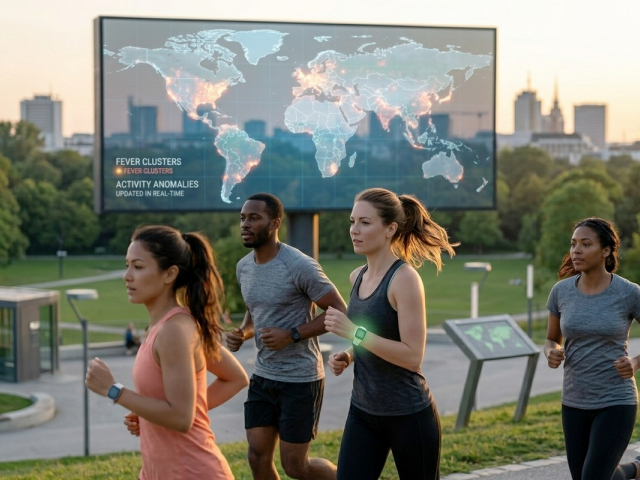
Every time you strap on your Fitbit or Apple Watch, you become part of a global health monitoring network. Anonymized data on heart rate, sleep quality, temperature, and physical activity are used in real time to track the spread of epidemics. Scientists have discovered that sharp anomalies in users' biometric streams can predict flu outbreaks or viral activity in specific areas several days before official reports are released.
Your right to byproducts
All of this hidden crowdsourcing raises a complex philosophical question: who owns your byproduct data? Niantic, Google, IBM, or you? As you live, you generate a digital footprint that has become the most valuable resource of the 21st century. We are not just consumers; we are free laborers painting the digital picture of reality, training AI, and diagnosing diseases. Understanding this effect is the first step toward owning your digital shadow, which can change the world, even if you are just out looking for Pokemon.


