 Zostať

Podmienky obchodovania
Nástroje


The euro and the pound showed a modest rise, but in the second half of the day, the situation changed, leading to increased demand for the U.S. dollar.
As the data showed, the U.S. private sector confidently entered the third quarter, and services grew at the fastest pace in nine months, rising to 54.6 versus June's 51.2. The composite PMI reached 54.5, the strongest reading since October 2025, indicating GDP growth at an annual rate of about 2.3%. The PMI is built on surveys of companies and reflects business activity, with a reading above 50 indicating expansion; such a high result confirmed the economy's strength and added arguments in favor of the dollar. However, there was a caveat to this increase: part of the growth was one-off, driven by a spike in demand tied to the World Cup and Independence Day. The picture was complicated by the ADP report, which showed a modest 44,000 new jobs in July, indicating a slowdown in hiring. That mix of strong activity and a weak labor market made the reaction ambiguous. For the euro and pound, this left room to maneuver: a strong PMI supported the dollar and pressured EUR/USD and GBP/USD, while disappointing employment data limited the dollar's gains and gave both European currencies a chance to hold.
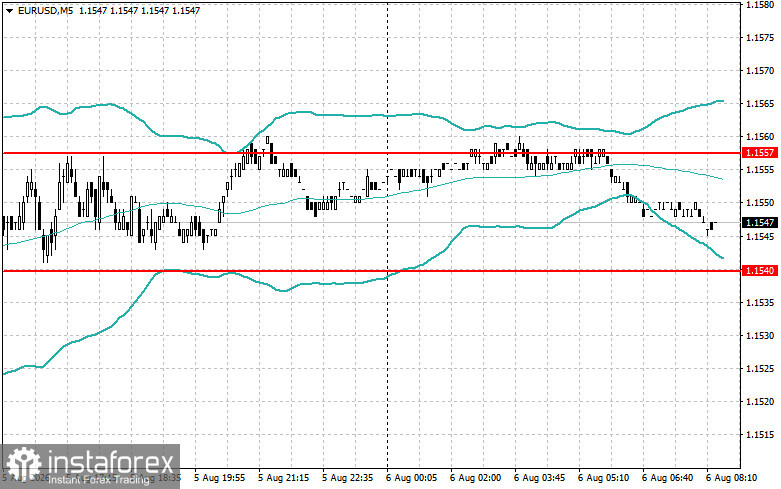
Today, in the first half of the day, attention for the single currency will focus on Italy's industrial production, Germany's industrial orders, and Eurozone retail sales. Industrial production shows the volume of output at factories, industrial orders are a leading signal of future factory workload, and retail sales reflect consumer activity in the region. Together these indicators give a broad picture of the bloc's economic condition and, via expectations about European Central Bank policy, influence the euro. If the indicators disappoint, pressure on the single currency will return. Weak output, falling orders or sluggish sales will undermine confidence in the economy's resilience and deprive the euro of support, which could push EUR/USD down. Conversely, strong data would support the single currency and help it hold its positions.
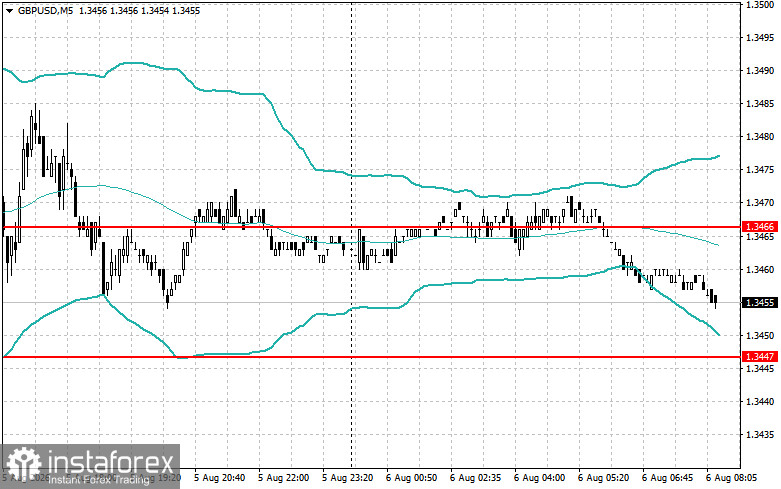
Regarding the pound, in the first half of the day today, direction will be set by the UK construction PMI. This indicator is based on surveys of companies in the sector and reflects construction activity, with readings above 50 indicating expansion and below indicating contraction. The sector's situation remains difficult—high borrowing costs, a weak housing market and investor caution weigh on activity—so the data risk disappointing. That is why the report can drag the pound lower. A weak result will confirm industry problems and weaken arguments for economic resilience, increasing pressure on GBP/USD.
If the data match economists' expectations, it is better to act using the Mean Reversion strategy. If the data are significantly above or below economists' expectations, it is best to use the Momentum strategy.
InstaForex analytical reviews will make you fully aware of market trends! Being an InstaForex client, you are provided with a large number of free services for efficient trading.


